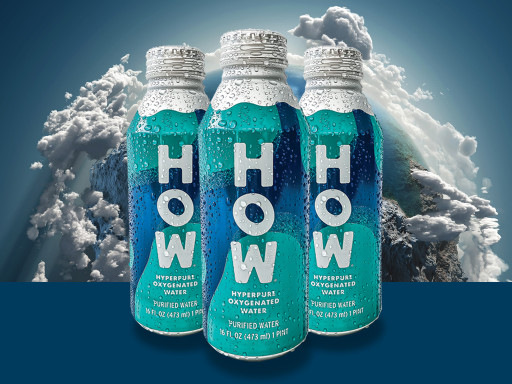
In the quest for optimal hydration, the choice between purified water and tap water is a significant consideration. Both options have their advocates, and each boasts distinct qualities that cater to different needs and preferences. Understanding the differences between these two types of water can help individuals make informed decisions about what they consume daily. This article will delve into the characteristics, benefits, and potential drawbacks of both purified water and tap water, offering a comprehensive comparison to guide consumers towards an educated choice.
Understanding Purified Water
Purified water is a type of water that has undergone specific processes to remove impurities and contaminants. These processes may include distillation, deionization, or reverse osmosis, among others. The goal is to achieve high purity levels, making it a popular choice for those who prioritize cleanliness in their hydration.
Benefits of Purified Water
- High purity levels: Thanks to rigorous filtration processes, purified water often contains fewer contaminants than tap water.
- Consistent taste: The removal of impurities contributes to a cleaner, more consistent taste.
- Health considerations: For individuals with sensitive health conditions, consuming purified water may reduce the risk of exposure to potential waterborne pathogens or pollutants.
Potential Drawbacks
- Cost: Purified water often comes at a higher price, both in terms of purchasing bottled options and the cost of home filtration systems.
- Environmental impact: The production and disposal of plastic bottles contribute to environmental concerns.
- Mineral content: The purification process can strip water of beneficial minerals, which are sometimes essential for health.
Exploring Tap Water
Tap water is the most commonly consumed type of water, readily available in homes and public places. Its quality can vary significantly depending on geographic location, water source, and local treatment practices.
Benefits of Tap Water
- Accessibility: Tap water is readily available and convenient for most people.
- Cost-effective: It is significantly cheaper than purchasing bottled purified water.
- Environmental sustainability: Using tap water reduces plastic waste and the carbon footprint associated with bottled water production.
Potential Concerns
- Contaminants: Depending on the location, tap water may contain varying levels of contaminants such as chlorine, lead, or pesticides.
- Taste and odor: Some individuals find the taste and odor of tap water less appealing due to the presence of certain chemicals.
- Infrastructure issues: Aging infrastructure in certain regions can lead to compromised water quality.
Making an Informed Choice
Choosing between purified water and tap water ultimately depends on individual needs, preferences, and values. For those prioritizing purity and consistency, purified water might be the preferred option. Conversely, individuals focused on cost-effectiveness and environmental sustainability may find tap water to be more suitable.
In conclusion, both purified water and tap water have their unique advantages and limitations. By understanding these differences, consumers can make choices that align with their health goals and lifestyle preferences. Whether opting for the convenience of tap water or the purity of bottled options, informed decisions will ensure optimal hydration and well-being.