Reaching fitness milestones, whether it’s building lean muscle, enhancing endurance, or shedding excess weight, often hinges on more than just training intensity and diet quality. The right nutritional support can accelerate recovery, improve performance, and help the body adapt to higher training loads. Quality sports supplements, when paired with a solid training plan, provide the micronutrients and macronutrients that may be difficult to obtain consistently from food alone. Understanding how these products work, selecting the most appropriate options, and using them strategically can make the difference between plateauing and progressing toward goals faster.
Why Sports Supplements Matter
Modern training regimens place significant stress on muscles, joints, and the cardiovascular system. Supplements address several critical needs:
- Enhanced Recovery: Ingredients like branched-chain amino acids (BCAAs) and creatine help replenish depleted energy stores and repair micro-tears in muscle fibers.
- Improved Performance: Caffeine, beta-alanine, and nitrate-rich extracts can boost power output, delay fatigue, and increase aerobic capacity.
- Nutrient Gaps: Busy lifestyles may limit intake of essential vitamins, minerals, and protein, making supplemental sources a reliable back-up.
- Consistency: Measured dosages ensure athletes receive the same amount of active ingredients each day, reducing variability in results.
Key Categories of Effective Supplements
Protein Powders
Protein is the building block of muscle. Whey isolate, micellar casein, and plant-based blends each offer unique absorption rates, making them suitable for different times of day.
- Post-Workout: Fast-digesting whey supports rapid muscle protein synthesis within the anabolic window.
- Before Bed: Slow-release casein provides a steady supply of amino acids throughout the night.
- Vegan Options: Pea, rice, and hemp blends deliver complete amino acid profiles without dairy.
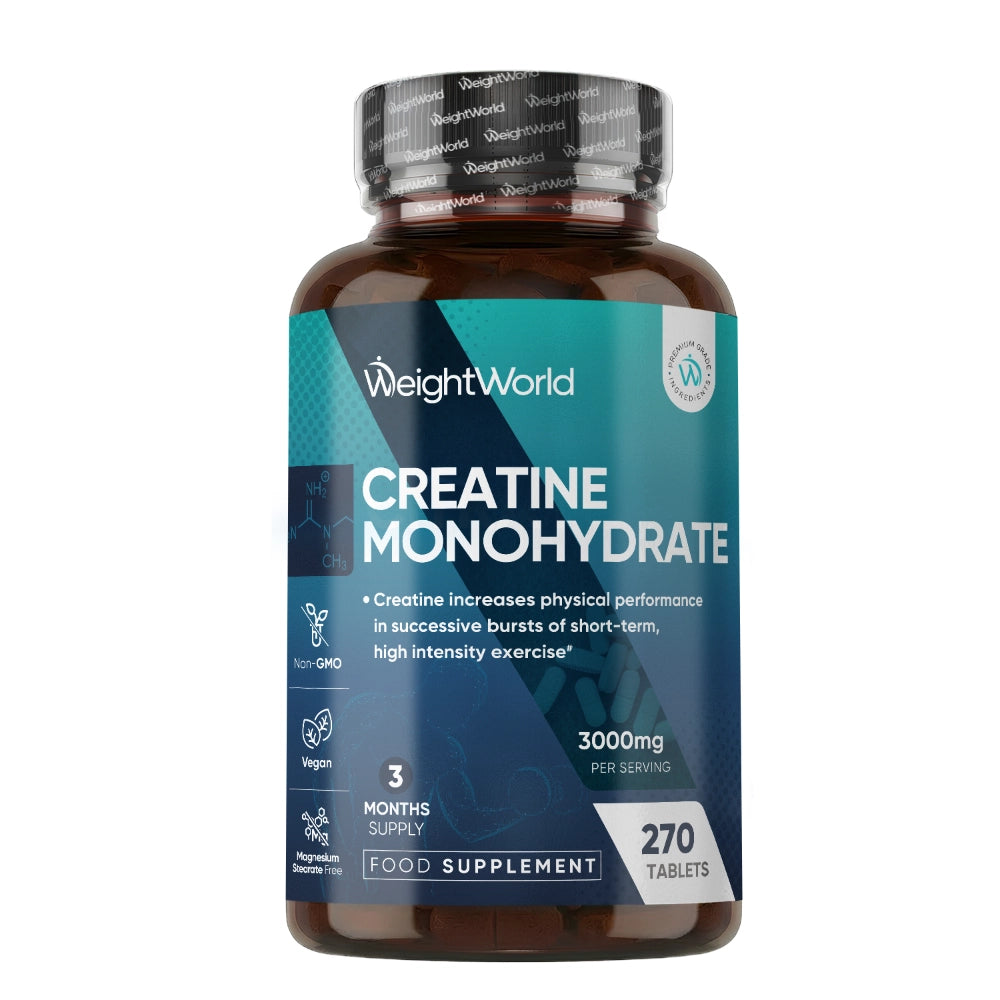
Creatine Monohydrate
One of the most researched supplements, creatine increases phosphocreatine stores, allowing for higher power output during short, intense bursts of effort.
- Improves strength gains of 5-15% when combined with resistance training.
- Supports cognitive function and cellular hydration.
- Simple loading protocol: 3-5″?g daily after an optional loading phase.
Pre-Workout Formulas
Designed to elevate energy, focus, and vascularity, pre-workout blends typically contain caffeine, beta-alanine, and nitric-oxide precursors.
- Caffeine: Enhances alertness and reduces perceived effort.
- Beta-Alanine: Buffers lactic acid, delaying muscle fatigue.
- Arginine/L-Citrulline: Promotes vasodilation for better nutrient delivery.
Vitamins & Minerals
Intense training increases the demand for micronutrients that support energy metabolism, immune health, and bone strength.
- Vitamin D and calcium for bone density.
- Magnesium for muscle relaxation and sleep quality.
- Vitamin C and zinc to mitigate oxidative stress.
Integrating Supplements into a Training Routine
Effective supplementation is not about random consumption; it follows a strategic plan aligned with workout timing, dietary intake, and individual goals.
Pre-Workout Timing
Consume stimulant-based formulas 20-30 minutes before training to maximize blood levels of caffeine and beta-alanine. Pair with a small carbohydrate source to fuel high-intensity sessions.
Post-Workout Nutrition
The post-exercise window is optimal for delivering protein (20-30″?g) and fast-acting carbs to replenish glycogen. Adding creatine at this stage can enhance uptake due to increased insulin sensitivity.
Daily Maintenance
Supplements such as multivitamins, omega-3 fatty acids, and electrolytes should be taken consistently, regardless of training days, to maintain baseline health and support long-term performance.
Choosing Quality Products
Not all supplements are created equal. Selecting reputable brands ensures purity, potency, and safety.
- Look for third-party testing (e.g., Informed-Sport, NSF) that verifies label claims.
- Check ingredient transparency, full disclosure of dosages and excipients.
- Prefer formulations with minimal artificial additives and allergens.
For a curated selection of rigorously tested options, explore the sports supplements range that adheres to industry standards.
Common Myths Debunked
- Myth: More supplement equals faster results.
Fact: Excessive dosing can lead to gastrointestinal discomfort and does not proportionally increase benefits. - Myth: Supplements replace a balanced diet.
Fact: Whole foods provide fiber, phytonutrients, and satiety that supplements cannot fully replicate. - Myth: All-natural products are automatically safer.
Fact: Natural extracts can still cause adverse reactions; dosage and purity matter more than source.
Monitoring Progress and Adjusting Intake
Track performance metrics, strength lifts, sprint times, body composition, to gauge supplement efficacy. If progress stalls, consider the following adjustments:
- Increase protein intake by 0.2″?g/kg body weight.
- Modify creatine loading schedule (e.g., add a weekend loading phase).
- Rotate pre-workout stimulants to avoid tolerance buildup.
Conclusion
Achieving fitness goals more quickly is a multifaceted endeavor that blends disciplined training, nutrition, recovery, and strategic supplementation. By understanding the role of each supplement category, integrating them at optimal times, and selecting products backed by scientific validation, athletes can close the gap between effort and results. A thoughtful approach, supported by quality sports supplements, empowers individuals to push past plateaus, enhance performance, and sustain long-term health.