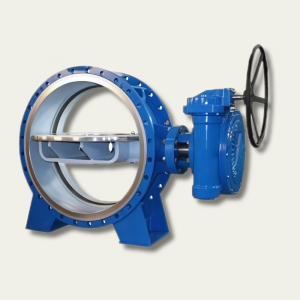
In the world of fluid control systems, butterfly valves stand out due to their efficient design and versatile applications. A pivotal decision for engineers and technicians comes down to choosing between lugged and wafer butterfly valves. Understanding the distinctions between these two types is integral to ensuring optimal performance and compatibility within various industrial environments. This article delves into the characteristics, advantages, and specific uses of each, helping professionals make informed choices. For those seeking deeper insights and practical applications, expert strategies can be discovered here.
Basic Structure and Functionality
Lugged Butterfly Valves
Lugged butterfly valves feature threaded inserts, known as lugs, on both sides of the valve body. This design allows them to be installed using bolts directly into flanges. Lugged butterfly valves remain securely in place even if one side of the piping system is removed, making them ideal for installations where routine maintenance or cleaning requires disconnection of one section without disrupting the entire system. Learn more about tailored solutions here.
Wafer Butterfly Valves
Wafer butterfly valves, in contrast, lack the lugs for direct flange mounting. They are designed to fit snugly between two flanges, secured by bolts that pass through all three components. This design is generally more compact and cost-effective compared to lugged valves. However, wafer valves do not provide the same support for disconnected systems, as they rely on the piping to hold them in place.
Applications and Industry Use
Advantages of Lugged Butterfly Valves
- Support for dead-end service: Can maintain a seal even when downstream piping is removed.
- Easy maintenance: Facilitates streamlined cleaning and repairs without affecting the entire system.
- High durability: Suitable for applications involving high pressure and harsher environments.
Find out more about this approach to butterfly valves here.
Advantages of Wafer Butterfly Valves
- Cost-effective: Typically less expensive due to simpler construction.
- Space-saving design: Ideal for applications where space constraints are a concern.
- Lightweight: Easier to handle and install, reducing labor costs.
Explore advanced guides and tips on wafer butterfly valves here.
Choosing the Right Valve for Your Needs
Selecting between lugged and wafer butterfly valves often depends on specific operational needs and environmental conditions. Here are some factors to consider:
- Pressure and Temperature: Lugged valves may be preferable in high-pressure or temperature settings due to their robust construction.
- System Configuration: If frequent maintenance is anticipated, lugged valves offer easier accessibility and isolation capabilities.
- Cost Considerations: For projects with tight budgets, wafer valves offer a more economical option.
- Space Limitations: Wafer valves are better suited for compact installations.
Learn about tailored solutions for various applications here.
Conclusion
Understanding the differences between lugged and wafer butterfly valves is crucial for optimizing system performance and ensuring cost-efficiency. While lugged valves provide greater flexibility for maintenance and isolation, wafer valves offer a more economical and space-efficient alternative. Each type has its own merits, and the choice should be aligned with the specific requirements of the application. For more detailed information and guidance, explore tailored solutions and expert tips here.