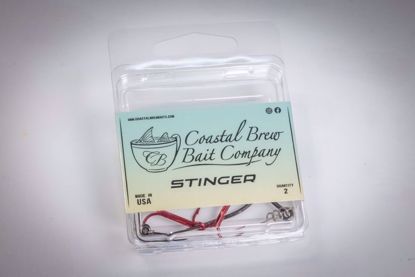
Fishing with jigs is an essential skill for anglers looking to enhance their catch rate and diversify their fishing techniques. Jigs are versatile, effective, and can be used in various water conditions to target different fish species. Understanding how to use fishing jigs effectively can significantly improve your fishing success. This guide provides valuable insights into selecting the right jigs, using them efficiently, and tailoring your techniques to different environments.
Understanding Fishing Jigs
Fishing jigs are lures that consist of a lead sinker with a hook molded into it, which is usually covered with a soft body to attract fish. They come in various shapes, sizes, and colors, each suited to specific fishing conditions or target species. To make the most of their capabilities, it’s essential to understand their components and how they interact with the water.
Types of Jigs
- Ball Jigs: Round and versatile, suitable for various conditions.
- Football Jigs: Ideal for rocky bottoms due to their shape.
- Swim Jigs: Designed for moving through vegetation without getting snagged.
- Flipping Jigs: Perfect for heavy cover and flipping techniques.
Choosing the Right Jig
Selecting the right jig involves considering factors such as water depth, clarity, and the species you are targeting. The weight of the jig plays a crucial role in its effectiveness. Heavier jigs can be effective in deeper waters or strong currents, while lighter jigs are better suited for shallow or calm waters.
Color selection is also vital. In clear water, natural colors like green and brown are effective, while in murkier water, brighter colors can attract more fish. Explore advanced guides and tips for color and weight selection.
Techniques for Using Jigs Effectively
Mastering the right technique is key to successful jig fishing. Here are some strategies to consider:
Vertical Jigging
This method involves dropping the jig straight down and bouncing it off the bottom. It’s an effective technique for deep water or when fish are holding near the substrate.
Swimming the Jig
By casting and retrieving at a steady pace, you can simulate the movement of baitfish. This technique is particularly effective in open water or around structures where fish are actively feeding.
Pitching and Flipping
These methods involve short casts to precise locations, typically around structures or dense cover. Flipping is a more advanced technique that requires practice but can be highly effective in the right conditions.
For more detailed techniques, discover expert strategies here.
Adapting to Environmental Conditions
Environmental factors such as weather, water temperature, and fish behavior significantly impact jig fishing success. Understanding these conditions and adapting your strategy accordingly can make a significant difference.
- Weather: Overcast days can encourage fish to be more active, while bright sunshine might push them deeper.
- Water Temperature: Fish are more active in warmer waters, so adjust your retrieve speed and jig action accordingly.
- Fish Behavior: Pay attention to fish activity levels and adjust your approach. Sometimes a more aggressive jigging action can trigger strikes, while at other times, a subtle presentation is necessary.
Learn about our tailored solutions for different environmental conditions.
Conclusion
Fishing jigs are a powerful tool in an angler’s arsenal. By choosing the right jig, mastering various techniques, and adapting to the environment, one can significantly enhance their fishing success. Whether you’re a seasoned angler or a beginner, understanding and implementing these strategies can lead to more productive and enjoyable fishing trips. Find out more about this approach and elevate your fishing game with specialized equipment and tips tailored to your needs.