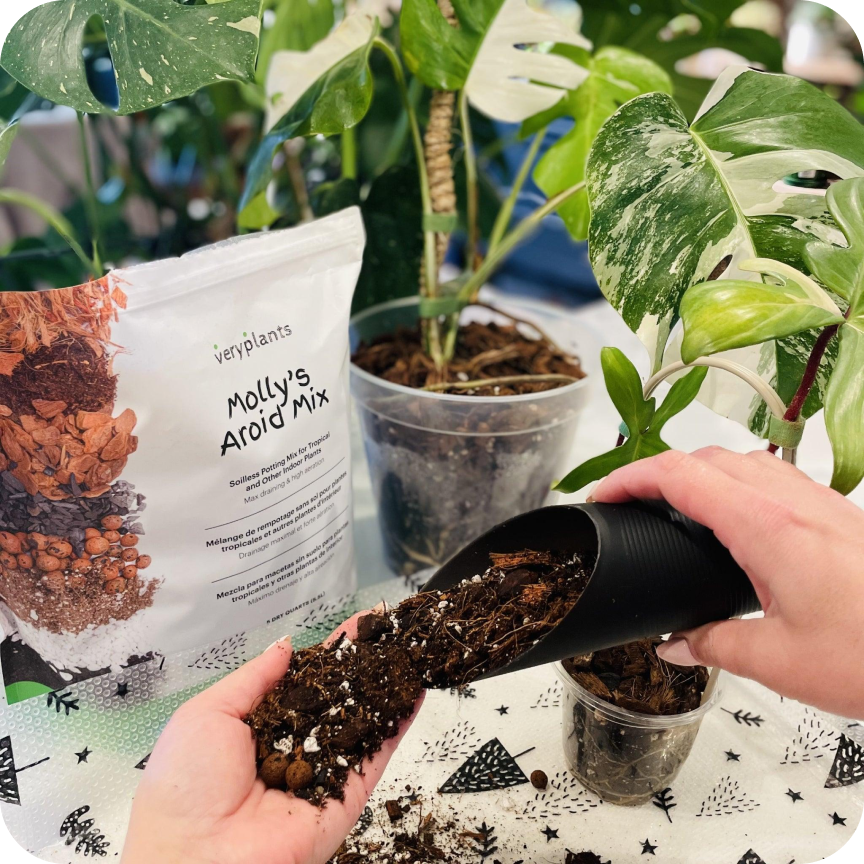
Indoor gardening has seen a significant shift in recent years towards more sustainable and efficient practices. One such development is the increasing use of soilless potting mixes for indoor plants. These innovative mixes offer a range of benefits over traditional soil, making them an attractive option for both novice and experienced plant enthusiasts. By providing plants with the ideal growth environment, soilless mixes can enhance plant health, reduce pest issues, and simplify the maintenance process.
Understanding Soilless Potting Mixes
Soilless potting mixes are composed of various organic and inorganic materials. Unlike traditional soil, these mixes do not contain native soil, which often includes pathogens and pests. Instead, they are made from materials like peat moss, coconut coir, perlite, and vermiculite, each contributing unique properties to the mix.
Key Components and Their Benefits
- Peat Moss: Known for its excellent water retention abilities, peat moss helps maintain moisture in the mix.
- Coconut Coir: A sustainable alternative to peat moss, coconut coir provides good aeration and retains nutrients.
- Perlite: A volcanic mineral that improves drainage and aeration, preventing waterlogging.
- Vermiculite: Enhances moisture retention and nutrient availability.
Advantages of Using Soilless Potting Mixes
Switching to a soilless potting mix offers several advantages that can significantly impact the growth and health of indoor plants.
Enhanced Plant Health
Soilless mixes provide a sterile environment, reducing the risk of pests and diseases commonly found in traditional soil. This makes them an excellent choice for maintaining indoor potting mix environments, where contamination can quickly spread.
Improved Water Management
- Soilless mixes offer excellent drainage, preventing root rot, a common issue with overwatering.
- The water retention properties of components like peat moss and coconut coir ensure that plants have consistent access to moisture, reducing the frequency of watering.
Lightweight and Easy to Handle
These mixes are significantly lighter than traditional soil, making them easier to transport, repot, and manage. This is particularly beneficial for urban gardeners who may have limited space or mobility concerns.
Eco-Friendly Options
Many soilless potting mix components are renewable and sustainable. For instance, coconut coir is a byproduct of the coconut industry, making it an environmentally friendly alternative to peat moss. This aligns well with those seeking soil alternatives for indoor plants that are both effective and sustainable.
Conclusion
Soilless potting mixes are revolutionizing the way indoor plants are grown. By offering a healthier, more manageable environment for plants, these mixes enable even the most inexperienced gardener to cultivate thriving indoor gardens. As plant care continues to evolve, incorporating soilless mixes into one’s gardening routine can lead to more vibrant and resilient plants. Whether one is starting a new indoor plant collection or looking to improve existing plant care practices, exploring soilless potting mixes presents a promising opportunity for enhanced growth and sustainability.