In the modern world of construction and design, materials play a crucial role in determining the durability, aesthetics, and sustainability of a project. Among the various materials available, plastic composite materials have gained significant attention for their versatile applications and numerous benefits. These materials, which combine plastic with other elements such as wood fibers, have revolutionized various industries, offering innovative solutions to traditional challenges.
Durability and Longevity
Plastic composite materials are renowned for their exceptional durability and longevity. Unlike traditional materials, composites are resistant to various environmental factors that cause wear and tear. This resistance is particularly beneficial in outdoor applications, where exposure to the elements can significantly impact material integrity.
Key Benefits of Durability:
- Resistance to rot and decay, which is common in traditional wood materials.
- Minimal maintenance requirements, reducing long-term costs and efforts.
- Enhanced resistance to UV rays, heat, and moisture, making them ideal for outdoor use.
Aesthetic Versatility
Plastic composite materials offer a wide array of aesthetic possibilities, allowing designers to achieve various visual outcomes without compromising on performance. This versatility makes composites a favorite choice for both contemporary and classic design applications.
Design Benefits Include:
- A wide range of colors and finishes to suit different design preferences.
- The ability to mold into various shapes and sizes, providing custom design solutions.
- Consistency in appearance, ensuring that the materials maintain their look over time.
Environmental Benefits
With growing concerns about environmental sustainability, the use of eco-friendly materials has become paramount. Plastic composites offer significant environmental advantages, making them a responsible choice for modern construction projects.
Eco-Friendly Advantages:
- Many composites utilize recycled materials, reducing waste and resource consumption.
- Long-lasting materials reduce the need for frequent replacements, minimizing resource use.
- Reduced reliance on natural wood helps in conserving forests.
Cost-Effectiveness
While the initial investment for plastic composite materials might be higher compared to some traditional options, the long-term cost benefits are considerable. The reduced need for maintenance and replacement translates to significant savings over time.
Cost-Related Benefits:
- Lower maintenance costs due to the material’s inherent durability.
- Reduced need for repairs or replacements, enhancing the overall lifespan of the project.
- Potential for energy savings in buildings, due to the insulating properties of some composites.
Applications in Various Industries
The versatility of plastic composite materials allows for their application across a broad spectrum of industries. From decking and cladding to furniture and automotive parts, the potential uses are virtually limitless.
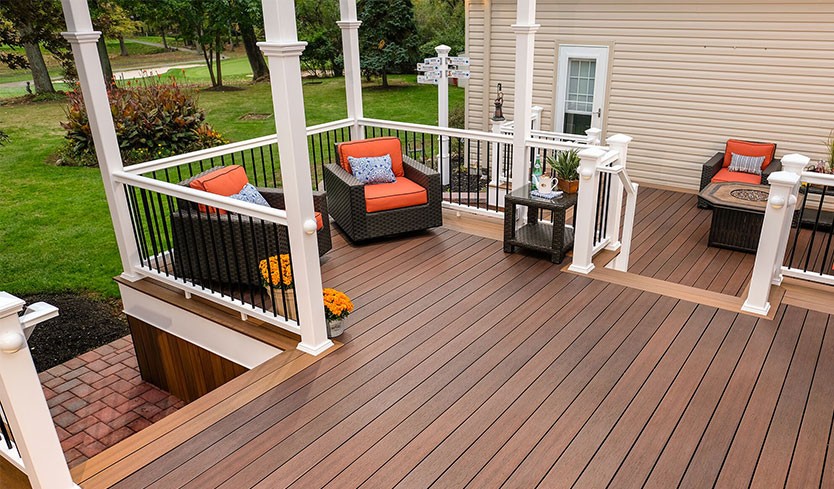
– Plastic composite decking is popular for its durability and aesthetic appeal in outdoor spaces.
– In the automotive industry, composites contribute to lighter, more fuel-efficient vehicles.
– Furniture manufacturers utilize composites to create sustainable and stylish pieces.
The continuous research and development in the field of plastic composites are likely to uncover even more innovative applications, further solidifying their role in modern material science.
In summary, the use of plastic composite materials offers numerous advantages, ranging from durability and aesthetic versatility to environmental and cost benefits. As industries continue to evolve, the demand for such materials is expected to grow, driven by the need for sustainable, efficient, and aesthetically pleasing solutions. Whether in construction, automotive, or design, the potential of plastic composites is vast, promising a future of innovation and sustainability.