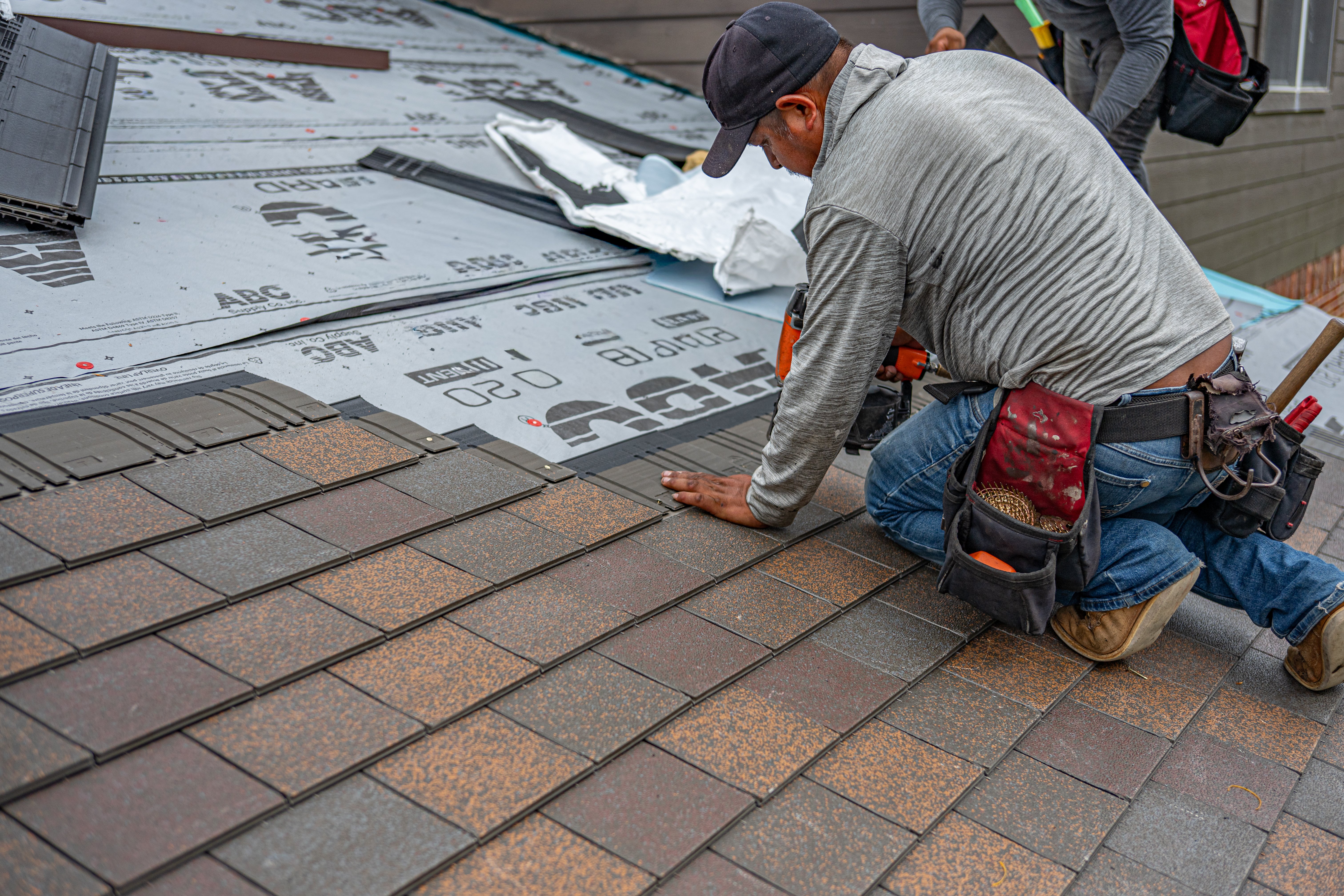
When it comes to selecting the right roofing material for a home or commercial building, the decision often narrows down to two popular options: shingle roofing and metal roofing. Each type has its unique advantages and potential drawbacks that are important to consider. Understanding these factors can help property owners make informed decisions that align with their specific needs and preferences. This article provides a detailed comparison of shingle roofing and metal roofing, highlighting their respective pros and cons to guide readers in their roofing choices.
Shingle Roofing: Pros and Cons
Advantages of Shingle Roofing
- Affordability: Shingle roofing is typically more cost-effective upfront, making it a popular choice for budget-conscious homeowners.
- Variety: Offered in various colors and styles, shingle roofs can complement a wide range of architectural designs.
- Ease of Installation: Shingles are generally easier and faster to install, which can reduce labor costs.
- Repairs: Individual shingles can be replaced easily, making repairs more manageable.
Disadvantages of Shingle Roofing
- Durability: Shingles have a shorter lifespan compared to metal roofing, often requiring replacement every 15-30 years.
- Weather Sensitivity: Shingles can be susceptible to damage from severe weather conditions such as heavy winds and hail.
- Environmental Impact: Shingle roofing materials are not always recyclable, contributing to landfill waste.
For more insights into choosing the best roofing option, discover expert strategies here.
Metal Roofing: Pros and Cons
Advantages of Metal Roofing
- Longevity: Metal roofs are known for their long lifespan, often lasting 40-70 years with appropriate maintenance.
- Durability: Metal roofing is highly resistant to weather extremes, making it an excellent choice for regions with harsh climates.
- Energy Efficiency: Metal roofs reflect solar rays, which can reduce cooling costs in warmer climates.
- Environmentally Friendly: Most metal roofing materials are recyclable, reducing environmental impact.
Disadvantages of Metal Roofing
- Cost: The initial investment for metal roofing is higher compared to shingles, which may not be feasible for all budgets.
- Noise: Metal roofs can be noisier during rain or hail, although this can be mitigated with proper insulation.
- Complex Repairs: Repairs can be more complex and costly if the metal roof is damaged.
To explore advanced guides and tips on roofing solutions, learn about our tailored solutions.
Conclusion
The choice between shingle and metal roofing ultimately depends on individual circumstances, including budget, aesthetic preferences, and environmental considerations. Shingle roofs offer cost-effectiveness and a wide range of styles, but may not last as long or be as environmentally friendly as metal roofs. Conversely, metal roofing provides durability and energy efficiency but comes with a higher initial cost. Find out more about this approach to make a well-informed decision that best suits specific roofing needs and preferences.