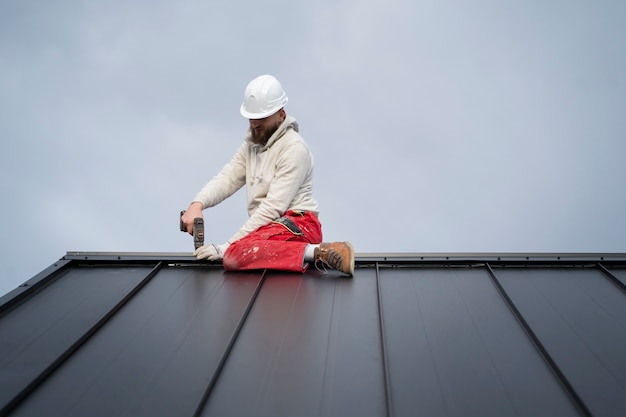
When a roof starts leaking, every homeowner knows the clock starts ticking. Water can quickly damage ceilings, walls, insulation, and even the structural integrity of a house. Finding a reliable, fast-acting solution nearby is essential to prevent costly repairs down the line. This guide outlines the most effective steps for quick roofing repair, highlights common causes of roof damage, and provides practical tips for selecting a local professional who can get the job done right the first time.
Why Immediate Roof Repair Matters
Delaying repairs can turn a small leak into a major disaster. Here are the top reasons to act promptly:
- Prevent structural damage: Water infiltration weakens rafters and joists.
- Protect interior finishes: Ceilings, drywall, and flooring are vulnerable to mold and rot.
- Maintain energy efficiency: Gaps let heated or cooled air escape, raising utility bills.
- Preserve property value: A well-maintained roof is a key selling point.
Common Causes of Roof Leaks
Weather-Related Issues
Heavy rain, hail, and wind can dislodge shingles, crack flashing, or create gaps around vents. Even a single storm can expose weak spots that need immediate attention.
Age and Wear
Most roofing materials have a lifespan of 15-30 years. Over time, UV exposure, temperature fluctuations, and normal wear can cause granules to loosen, seams to split, and membranes to deteriorate.
Poor Installation or Maintenance
Improperly installed roofing components, such as inadequate sealing around chimneys or skylights, often lead to chronic leaks. Regular inspections can catch these issues before they become emergencies.
Fast-Fix Strategies for Small Leaks
If a leak is minor and accessible, a temporary fix can buy time until a professional arrives. Follow these steps:
- Locate the source: Use a flashlight inside the attic to trace water streaks back to the roof.
- Apply a roof sealant: Silicone or polyurethane sealants work well on metal, shingle, or flat roofs.
- Cover with a tarp: Secure a waterproof tarp over the affected area, overlapping the edges by at least 12 inches.
- Drain water safely: Position a bucket or container to catch any remaining drips.
These measures are only temporary; a permanent repair should be scheduled within 24-48 hours.
Choosing a Local Roofing Professional
Finding a qualified roofer nearby ensures faster response times and familiarity with regional weather challenges. When evaluating options, consider the following criteria:
- Licensing and insurance: Verify that the contractor holds the appropriate state license and carries liability coverage.
- Experience with your roof type: Asphalt shingles, metal panels, and flat roofs each require specific expertise.
- Customer reviews: Look for consistent positive feedback regarding timeliness and workmanship.
- Transparent pricing: Detailed estimates should break down labor, materials, and any warranty information.
For a quick search of vetted specialists, Discover expert strategies here and filter results by distance and rating.
What to Expect During a Professional Repair
A reputable roofer will typically follow a systematic process:
- Inspection: A thorough visual and, if needed, moisture-meter assessment to pinpoint damage.
- Scope of work: Written proposal outlining required materials, labor hours, and timeline.
- Preparation: Safety set-up, including harnesses, ladders, and protective sheeting for the interior.
- Repair or replacement: Execution of the agreed-upon solution, whether patching a few shingles or replacing a section of decking.
- Final walkthrough: Confirmation that the leak is resolved and cleanup is completed.
Understanding these steps helps homeowners feel confident that the repair will be both swift and durable.
Maintenance Tips to Extend Roof Longevity
Even after a repair, regular upkeep is essential. Incorporate these habits into your home maintenance schedule:
- Inspect the roof after major storms for displaced shingles or debris.
- Clean gutters and downspouts quarterly to prevent water backup.
- Trim overhanging branches that could scrape or puncture the roof.
- Schedule a professional inspection at least once a year, especially before the rainy season.
For a deeper dive into seasonal care, Explore advanced guides and tips that cover everything from insulation checks to flash-point maintenance.
Cost Considerations and Budgeting
Repair costs vary based on material, extent of damage, and labor rates. Rough averages:
| Repair Type | Typical Cost Range |
|---|---|
| Shingle patch (≤5 sq ft) | $150 – $350 |
| Flashings replacement | $300 – $800 |
| Partial roof replacement (≤25% area) | $1,200 – $3,500 |
When budgeting, factor in a contingency of 10-15% for unexpected issues uncovered during the repair.
Final Thoughts
Quick roofing repair is not just about stopping a drip; it’s about protecting the entire home ecosystem. By recognizing early signs, applying temporary fixes, and engaging a qualified local roofer, homeowners can minimize damage and preserve property value. Remember to schedule regular inspections and keep a trusted professional list handy for the next time a storm rolls in.
Ready to locate a fast-acting roofer in your area? Find out more about this approach and start the process with confidence.