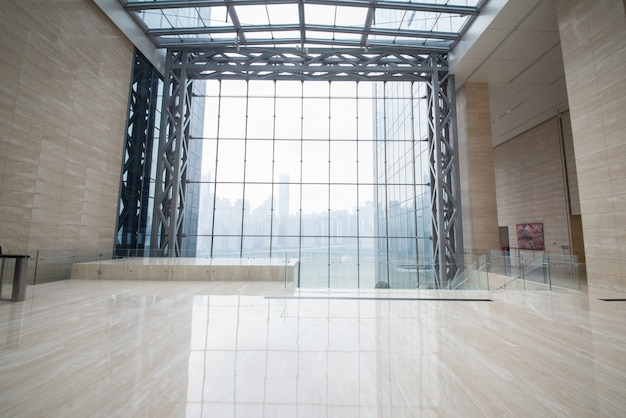
Transforming a space with epoxy flooring can be a game-changer, providing durability, aesthetics, and functionality in one seamless package. Whether it’s for a commercial, industrial, or residential area, epoxy floors offer a sleek finish that is both visually appealing and robust enough to handle heavy foot traffic. The process of installation, however, requires precision and expertise to ensure a flawless outcome that stands the test of time. Understanding the key elements of premier epoxy floor installation can help property owners make informed decisions that enhance their spaces effectively and efficiently.
Why Choose Epoxy Flooring?
Epoxy flooring has gained popularity for its transformative properties and numerous advantages:
- Durability: Epoxy creates a hard, impact-resistant surface capable of withstanding heavy machinery and high foot traffic.
- Longevity: With proper installation and maintenance, epoxy floors can last several years without showing signs of wear.
- Low Maintenance: The seamless finish makes cleaning easy, reducing maintenance efforts and costs.
- Design Flexibility: Available in a variety of colors and finishes, epoxy can be customized to suit any aesthetic preference.
- Environmental Resistance: Resistant to chemicals, water, and heat, epoxy floors are ideal for various environments.
For those looking to enhance their spaces with these benefits, it’s crucial to consider professional installation services. Discover expert strategies here to ensure your project is handled with precision and professionalism.
The Installation Process
Preparation
Proper preparation is the foundation of a successful epoxy floor installation. This phase involves:
- Assessing the condition of the existing floor to identify any repairs needed.
- Thorough cleaning to remove dust, grease, and debris, ensuring a clean base for the epoxy to adhere.
- Grinding or shot blasting to create a rough surface, enhancing the bond between the epoxy and the substrate.
- Filling cracks and holes to ensure a smooth and even application.
Learn about our tailored solutions for ensuring a flawless preparation that sets the stage for a durable finish.
Application
The application phase is critical, where expertise plays a significant role in achieving the desired finish:
- Mixing the epoxy components precisely as per the manufacturer’s instructions to ensure optimal performance and appearance.
- Applying a primer coat to enhance adhesion and seal the substrate.
- Pouring and spreading the epoxy mixture evenly across the surface using appropriate tools.
- Allowing the epoxy to cure for the recommended time, ensuring a robust and stable surface.
Professionals employ advanced techniques and equipment to ensure each layer is applied seamlessly. Explore advanced guides and tips on achieving a perfect epoxy floor finish.
Post-Installation Care
After installation, maintaining the pristine condition of an epoxy floor involves:
- Regular sweeping and mopping to prevent dirt and grit from scratching the surface.
- Immediate cleaning of spills to prevent staining, especially in chemical-prone areas.
- Using mats or rugs in high-traffic areas to protect against wear and tear.
With minimal effort, epoxy floors can maintain their luster and functionality for years. Find out more about this approach to keeping your epoxy floors looking brand new.
Conclusion
Premier epoxy floor installation is a valuable investment that transforms spaces with its durable and aesthetically pleasing finish. From preparation to post-installation care, each step requires careful consideration and expertise to ensure a successful outcome. By understanding the process and choosing professional services, property owners can enjoy the long-lasting benefits of epoxy flooring. For detailed insights and guidance on epoxy floor installations, discover expert strategies here that align with your specific needs.