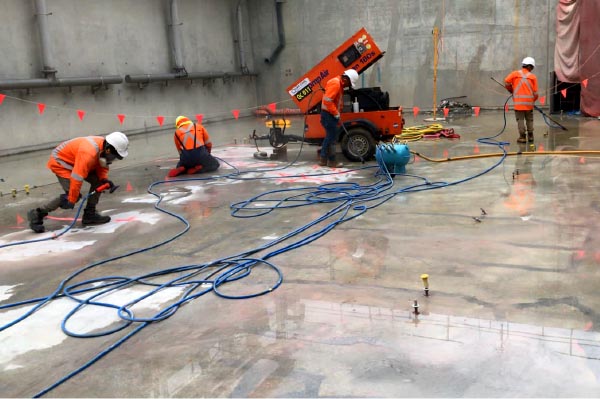
Concrete, a fundamental component in construction, can deteriorate over time due to various factors such as environmental conditions, structural stress, and chemical exposure. Addressing these issues promptly and effectively is crucial to maintaining the integrity and longevity of concrete structures. Professional concrete remediation services offer specialized solutions that tackle the root causes of concrete degradation, ensuring lasting results that preserve the functionality and safety of the structure.
Understanding Concrete Remediation
Concrete remediation is a comprehensive process that involves the repair, restoration, and protection of concrete surfaces. This process not only addresses visible damage but also strengthens the underlying structure to prevent future issues. The importance of engaging in expert concrete remediation services cannot be overstated, as it ensures that all aspects of deterioration are professionally managed.
Common Causes of Concrete Deterioration
- Corrosion of Reinforcement: The corrosion of steel reinforcement bars is a significant cause of concrete deterioration. This occurs when moisture and chlorides penetrate the concrete, leading to rust and expansion, which cracks the concrete.
- Environmental Factors: Weather conditions such as freeze-thaw cycles, extreme temperatures, and moisture can weaken concrete over time.
- Chemical Exposure: Concrete surfaces exposed to chemicals, such as in industrial settings, can experience accelerated damage and wear.
- Poor Construction Practices: Inadequate construction techniques and substandard materials can lead to premature concrete failure.
Steps in Concrete Remediation
Effective remediation involves a series of well-coordinated steps that repair damage and strengthen the structure. The following outlines the typical stages involved in concrete remediation services:
Assessment and Diagnosis
The first step is a detailed inspection and evaluation of the concrete structure to identify the extent and causes of deterioration. This often involves non-destructive testing techniques to assess the condition of the concrete and reinforcement.
Repair and Restoration
- Surface Preparation: Cleaning and removing damaged concrete to prepare the surface for repair.
- Crack Injection: Filling cracks with specialized resins to restore structural integrity and prevent water infiltration.
- Reinforcement Repair: Replacing or treating corroded steel reinforcement to halt further corrosion.
Protection and Prevention
After repairs, protective measures are applied to prevent future damage. This includes:
- Waterproof Coatings: Application of sealants and coatings to protect against moisture ingress.
- Cathodic Protection: Installation of systems that prevent corrosion of reinforcement bars.
- Regular Maintenance: Implementing a maintenance schedule to monitor and address any emerging issues promptly.
Benefits of Professional Concrete Remediation
Investing in expert concrete remediation services provides several advantages:
- Enhanced Durability: Extends the lifespan of the structure by addressing and preventing structural weaknesses.
- Cost-Effectiveness: Prevents costly future repairs and potential structural failure by addressing issues early.
- Safety Assurance: Ensures the structural safety and integrity of buildings and infrastructure.
Conclusion
Concrete remediation is a critical process for maintaining the structural health of concrete buildings and infrastructure. By understanding the causes of concrete deterioration and implementing effective repair and prevention strategies, these services provide lasting solutions that uphold the safety and functionality of structures. For those seeking to ensure the longevity and reliability of their concrete assets, engaging in professional remediation services is a wise and necessary investment.