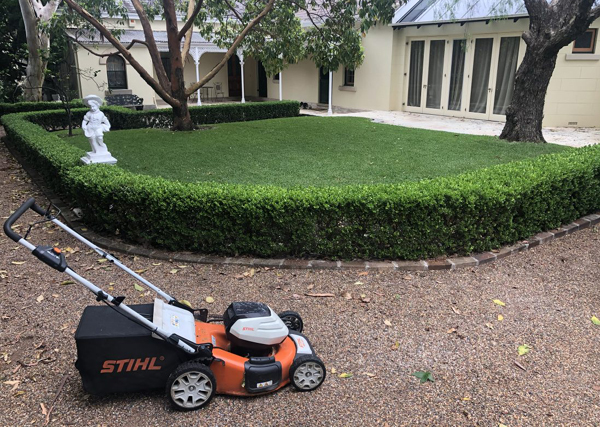
Enhancing curb appeal is a vital aspect of property management, particularly for strata properties where shared spaces reflect the collective image of the community. Strata grounds maintenance involves meticulous planning and execution to ensure that the exterior environment is not only visually appealing but also functional and safe. The key to successful strata grounds maintenance lies in understanding the unique needs of each property and employing expert strategies to address them. Whether it’s routine lawn care or seasonal landscape updates, effective grounds maintenance can transform a property’s appearance and increase its value.
Understanding Strata Grounds Maintenance
Strata grounds maintenance encompasses a variety of tasks aimed at maintaining the aesthetics and functionality of shared outdoor spaces. These tasks are critical for both the visual appeal and the safety of the property. Discover expert strategies here.
Key Elements of Strata Grounds Maintenance
- Lawn Care: Regular mowing, edging, and fertilization are essential for a healthy, well-manicured lawn. Addressing weeds and pests promptly ensures longevity and aesthetic appeal.
- Garden Maintenance: Pruning shrubs, maintaining flower beds, and planting seasonal blooms enhance the visual impact of the property.
- Tree Management: Regular inspections and pruning are necessary to prevent hazards and maintain tree health.
- Pavement and Pathways: Keeping pathways clean and free of debris ensures safety and accessibility for residents and visitors.
- Irrigation Systems: Proper maintenance of irrigation systems prevents water wastage and ensures plants receive adequate hydration.
Implementing an Effective Maintenance Schedule
Creating a structured maintenance schedule is essential for consistent care and management of strata grounds. Each property has unique needs, so schedules should be tailored accordingly. Learn about our tailored solutions.
Considerations for Scheduling
- Seasonal Changes: Plan for seasonal tasks such as leaf removal in autumn and snow management in winter.
- Frequency of Tasks: Determine how often each task needs to be performed based on growth cycles and weather conditions.
- Resource Allocation: Ensure adequate manpower and equipment are available for each scheduled task.
- Resident Feedback: Regularly gather feedback from residents to address any concerns and improve the maintenance process.
Incorporating Sustainable Practices
Sustainability is becoming increasingly important in grounds maintenance, not only for environmental reasons but also for cost efficiency. Implementing sustainable practices can reduce the environmental impact and promote a healthier outdoor environment. Explore advanced guides and tips.
Eco-Friendly Maintenance Practices
- Organic Fertilizers: Use organic fertilizers to reduce chemical runoff and improve soil health.
- Native Plantings: Incorporate native plants that require less water and maintenance.
- Water Management: Implement rainwater harvesting systems and efficient irrigation techniques.
- Energy-Efficient Equipment: Utilize electric or battery-powered maintenance equipment to reduce emissions.
Engaging Professional Services
While some strata properties may manage their grounds maintenance internally, engaging professional services can provide numerous advantages. Professionals bring expertise, specialized equipment, and a strategic approach that can significantly enhance maintenance outcomes. Find out more about this approach.
Benefits of Professional Maintenance Services
- Expertise: Professionals have the knowledge to handle complex maintenance tasks effectively.
- Efficiency: Access to specialized equipment and trained personnel ensures tasks are completed efficiently.
- Cost-Effectiveness: Professional services can often provide better value for money through comprehensive service packages.
- Peace of Mind: Knowing that maintenance is handled by experts allows property managers to focus on other responsibilities.
In conclusion, enhancing curb appeal through effective strata grounds maintenance is a multifaceted process that requires careful planning, execution, and the integration of sustainable practices. By understanding the unique needs of each property and leveraging professional expertise, strata properties can achieve a harmonious and attractive outdoor environment that enhances community living and property value.