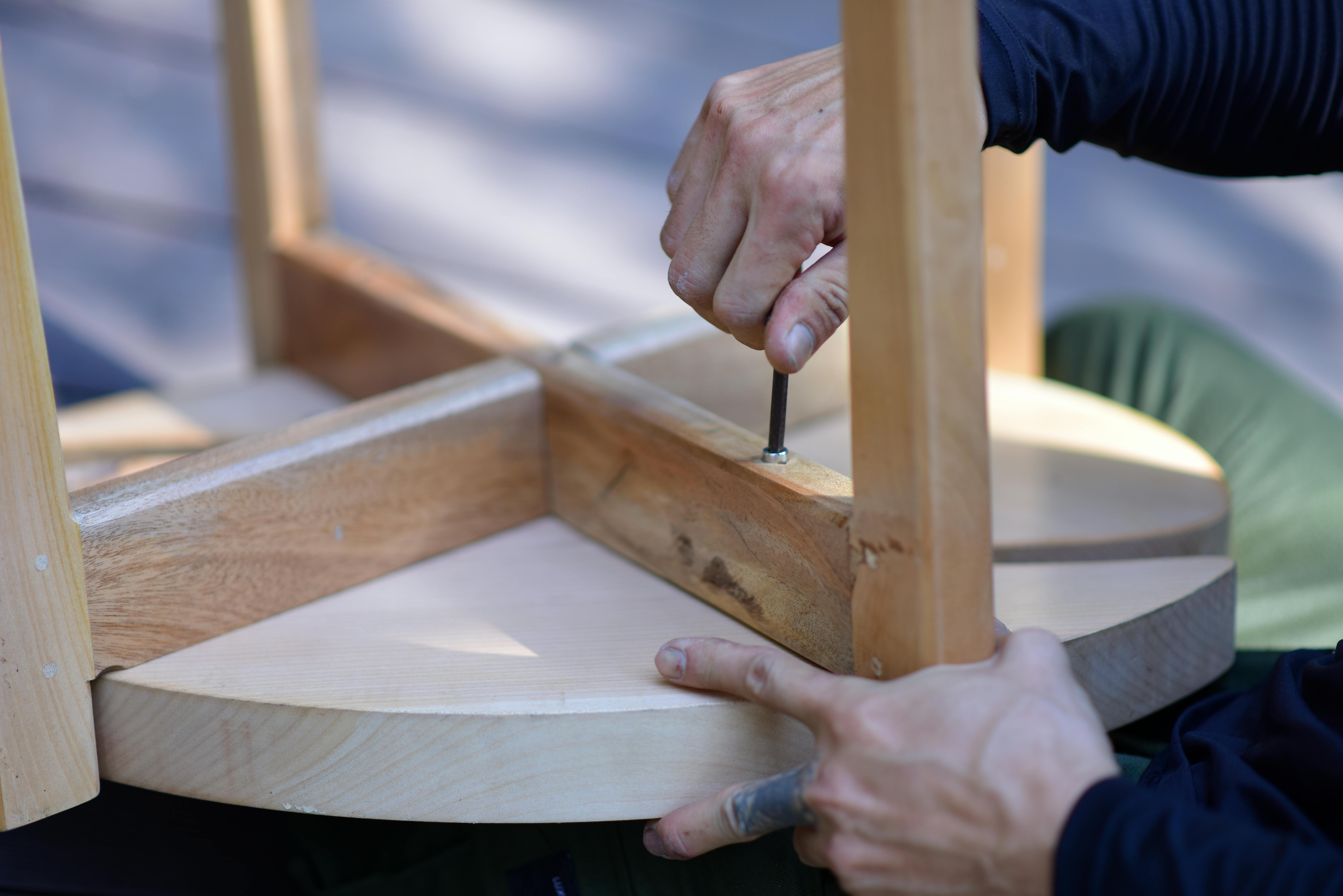
Wood furniture has a timeless appeal, bringing elegance and warmth to any home. Over time, however, even the highest-quality wood furniture can show signs of wear and tear. Whether it’s due to scratches, stains, or general aging, restoring wood furniture can breathe new life into pieces that might otherwise be discarded. Furniture restoration is not only an opportunity to preserve cherished items but also a chance to enhance the aesthetic and functional value of your living space. With a thoughtful approach, you can transform your furniture into stunning focal points that reflect your personal style.
The Benefits of Wood Furniture Restoration
Restoring wood furniture goes beyond aesthetics. Here are some benefits to consider:
- Preservation of valuable antiques and heirlooms.
- Environmental sustainability by reducing waste.
- Cost-effectiveness compared to purchasing new furniture.
- Opportunity for customization with finishes and fabrics.
- Enhanced durability and functionality of furniture pieces.
Explore further insights here to understand why restoration could be the right choice for your home.
Steps to Successful Furniture Restoration
Assessment and Preparation
Begin by evaluating the condition of the furniture to determine the extent of restoration needed. Check for structural issues, surface damage, and any necessary repairs. Preparation is key to a successful restoration project:
- Clean the furniture thoroughly to remove dirt and grime.
- Identify the type of finish currently on the furniture.
- Gather necessary materials such as sandpaper, wood filler, and stains.
Learn more in this detailed guide on assessing and preparing your wood furniture for restoration here.
Repair and Refinishing
Once prepared, proceed with the repair and refinishing process:
- Repair any structural damages, such as loose joints or broken parts.
- Sand the surfaces to remove old finishes and smooth out imperfections.
- Apply wood filler to repair dents or scratches.
- Choose a stain or paint that complements the existing style of your home.
- Apply a protective finish to safeguard against future wear and tear.
Read more about this topic here to discover various techniques for effective repair and refinishing.
Maintaining Restored Wood Furniture
Proper maintenance is crucial to prolong the life of restored furniture. Consider these tips:
- Regular dusting to prevent buildup of dirt and debris.
- Avoid placing furniture in direct sunlight to prevent fading.
- Use coasters and placemats to protect surfaces from spills and heat.
- Periodically reapply protective finishes as needed.
- Inspect for signs of damage and address them promptly.
Find additional information here on how to properly care for your restored wood furniture.
Conclusion
Restoring wood furniture is a rewarding endeavor that blends creativity with practicality. Whether you’re reviving a family heirloom or updating a thrift store find, the transformation can significantly enhance your home’s interior. By understanding the benefits, following a structured restoration process, and maintaining your pieces, you can enjoy the beauty and functionality of wood furniture for years to come. For more insights on furniture restoration, explore further insights here.