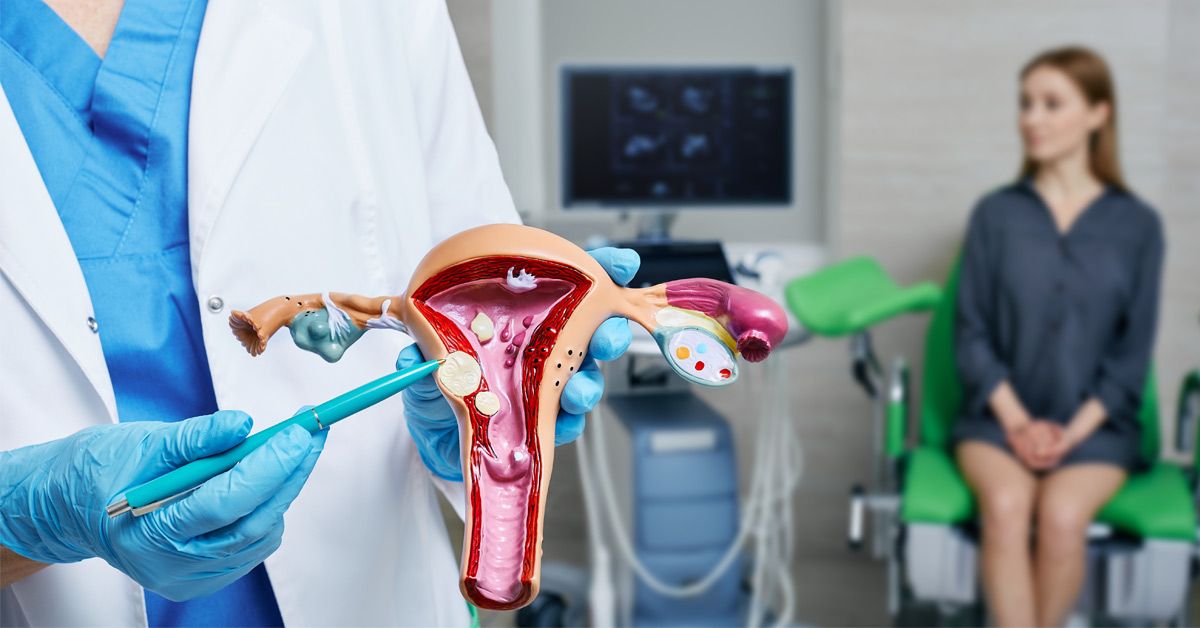
Uterine fibroids are a common health condition affecting a significant number of women worldwide. These non-cancerous growths in the uterus can lead to a range of symptoms, including heavy menstrual bleeding, pelvic pain, and reproductive challenges. Despite their prevalence, many women remain unaware of the effective treatment options available. One such treatment, Uterine Fibroid Embolization (UFE), offers a minimally invasive solution that empowers women to take control of their health. This article explores the benefits, procedure, and considerations of UFE, providing comprehensive insights for those seeking to understand this treatment option.
Understanding Uterine Fibroid Embolization
Uterine Fibroid Embolization is a minimally invasive procedure aimed at reducing the size of fibroids and alleviating associated symptoms. It involves cutting off the blood supply to the fibroids, causing them to shrink and eventually die. This procedure is performed by an interventional radiologist and is an alternative to surgical options like hysterectomy.
Benefits of Uterine Fibroid Embolization
- Minimally Invasive: UFE does not require large incisions, reducing recovery time and minimizing risk.
- Preservation of the Uterus: Unlike hysterectomy, UFE preserves the uterus, which may be important for women wishing to maintain fertility.
- Shorter Recovery: Most women return to normal activities within a week, allowing for less disruption in daily life.
- Effective Symptom Relief: Many women experience significant relief from symptoms such as heavy bleeding and pain.
The Uterine Fibroid Embolization Procedure
The procedure for UFE is straightforward and usually performed under local anesthesia. A small incision is made in the groin or wrist to access the uterine arteries. Through this access point, the radiologist inserts a catheter and injects embolic agents to block the blood vessels feeding the fibroids. The entire process typically lasts about one to two hours, and patients can usually go home the same day.
Preparing for the Procedure
- Consultation: A thorough consultation with a healthcare provider will determine if UFE is the right option, considering factors such as age, symptoms, and fibroid size.
- Pre-Procedure Testing: Imaging tests like MRI or ultrasound may be required to map fibroid location and size.
- Medication: Patients may be advised to stop certain medications before the procedure to reduce bleeding risk.
Post-Procedure Considerations
After undergoing Uterine Fibroid Embolization, there are several considerations to keep in mind for optimal recovery and long-term health.
Recovery and Follow-Up
- Immediate Recovery: Mild pain and cramping are common immediately after the procedure, managed with prescribed pain medication.
- Monitoring: Follow-up appointments with the healthcare provider are crucial to monitor recovery and assess the success of the embolization.
- Long-Term Health: Regular check-ups and imaging tests may be recommended to track fibroid shrinkage and symptom improvement.
Conclusion
Uterine Fibroid Embolization represents a pioneering approach in the management of uterine fibroids, offering women a choice that aligns with their health goals and lifestyle. By understanding the benefits, procedure, and recovery associated with UFE, women can make informed decisions about their reproductive health. For those considering treatment options, UFE provides a promising path to symptom relief and uterine preservation.