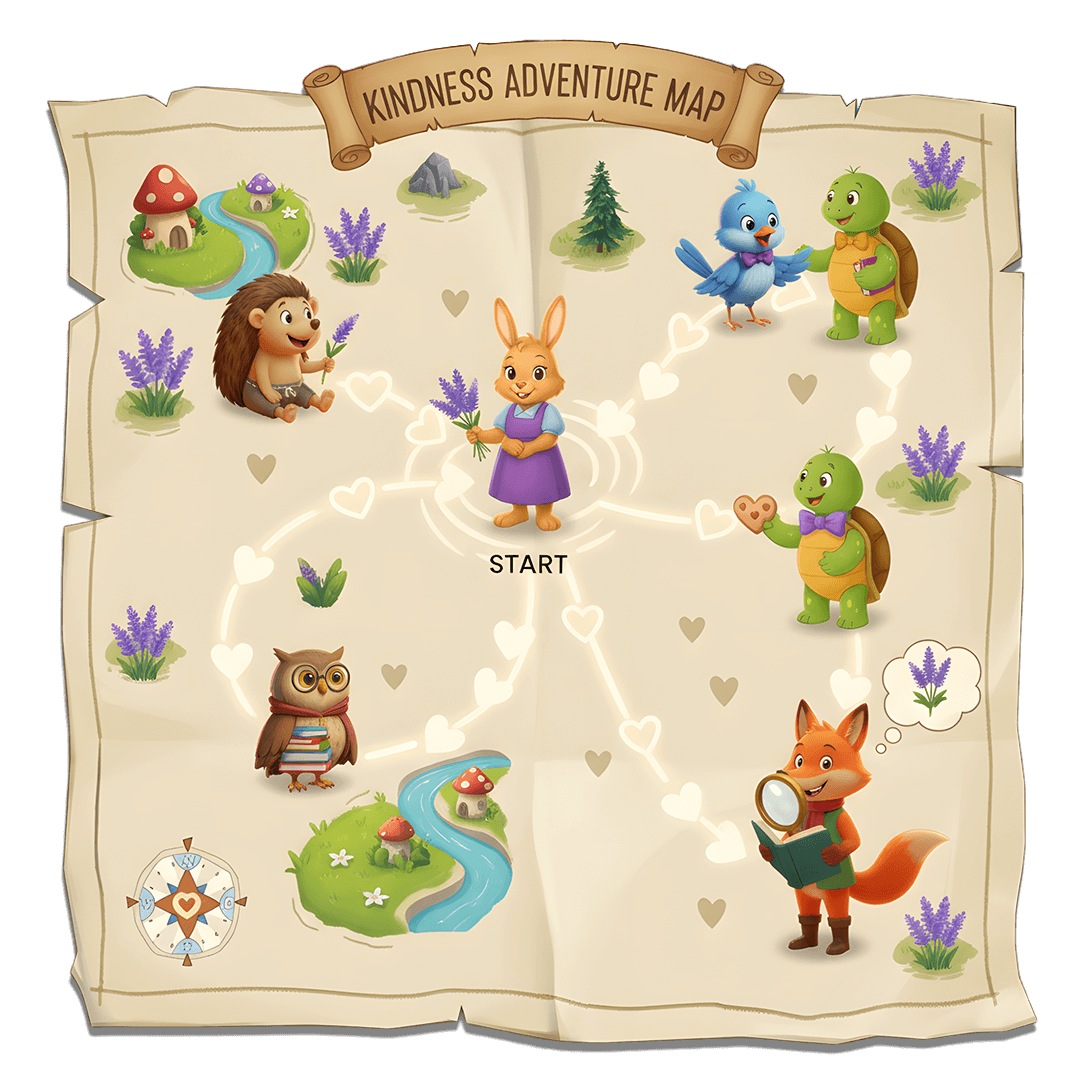
In the realm of early childhood development, the significance of nurturing social and emotional skills cannot be overstated. For 3-year-olds, who are at a pivotal stage in their growth, books can serve as powerful tools to enhance these essential skills. Engaging narratives and relatable characters provide children with opportunities to explore emotions, develop empathy, and learn valuable social cues. This article delves into a curated selection of books that aim to empower young children in their social and emotional development.
The Importance of Social Emotional Learning (SEL) in Early Childhood
Social Emotional Learning, or SEL, is a vital component of a child’s education. It encompasses the skills needed to understand and manage emotions, set positive goals, show empathy for others, maintain positive relationships, and make responsible decisions. At the age of three, children are beginning to form their understanding of the world and how they fit into it, making it a crucial time to introduce SEL concepts.
- Promotes self-awareness and self-regulation.
- Enhances empathy and communication skills.
- Builds foundational skills for future academic success.
Discover expert strategies here to integrate SEL effectively into your child’s daily routine.
Top Social Emotional Books for 3-Year-Olds
“The Feelings Book” by Todd Parr
This vibrant book tackles a range of emotions in a simple, engaging manner. Through colorful illustrations and straightforward text, children can easily relate to the different feelings portrayed, helping them to identify and express their own emotions.
Learn about our tailored solutions to enhance emotional literacy here.
“Grumpy Monkey” by Suzanne Lang
“Grumpy Monkey” offers a humorous take on mood swings and the importance of accepting emotions. It provides a wonderful platform for discussing how it’s okay to feel grumpy sometimes and highlights the importance of acknowledging and expressing feelings in a healthy way.
“Hands Are Not for Hitting” by Martine Agassi
This book delivers a crucial message on the importance of using hands for positive interactions rather than harmful ones. It gently encourages children to consider the consequences of their actions and promotes conflict resolution skills.
Explore advanced guides and tips for conflict resolution here.
Nurturing Empathy Through Storytelling
Storytelling is a powerful way to nurture empathy in young children. Through stories, children are exposed to diverse perspectives and learn to understand and share the feelings of others. Empathy is a cornerstone of emotional intelligence and plays a crucial role in building strong, positive relationships.
- Encourages perspective-taking.
- Fosters a caring and inclusive environment.
- Strengthens community and cooperation skills.
Find out more about this approach here to cultivate empathy through reading.
Conclusion
Empowering social emotional books for 3-year-olds play a significant role in shaping the emotional and social landscape of young minds. By introducing children to stories that reflect their experiences and challenges, caregivers can provide valuable opportunities for growth and understanding. These books not only entertain but also educate, laying the groundwork for lifelong emotional intelligence and empathy.