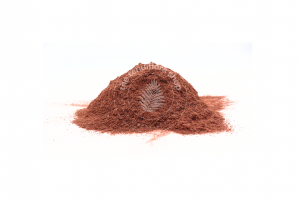
Crafting with craft grade bark offers a unique opportunity to delve into a world of natural artistry. This raw material, sourced sustainably, can transform ordinary projects into extraordinary works of art. Utilizing craft grade bark allows crafters to tap into its versatility and aesthetic appeal, making it a favored choice for many enthusiasts. Whether you’re a seasoned artisan or a beginner, understanding the techniques and tips for working with this material can enhance your creative journey. This article aims to provide valuable insights into effective methods and strategies for crafting with bark. For those looking to deepen their understanding, visit Discover expert strategies here.
Understanding Craft Grade Bark
Craft grade bark is a versatile material commonly used in various crafting projects. It is valued for its texture, durability, and natural beauty. Before starting a project, it’s essential to understand the types of bark available and their unique properties.
Types of Craft Grade Bark
- Cedar Bark: Known for its aromatic qualities and flexibility, making it ideal for weaving and basketry.
- Birch Bark: Highly regarded for its smooth texture and ease of use in creating decorative items.
- Pine Bark: Offers a rugged texture, suitable for rustic crafts and outdoor decorations.
Understanding the characteristics of each type will help in selecting the right bark for your project. To learn about tailored solutions for selecting the best bark, Learn about our tailored solutions.
Preparation Techniques
Proper preparation of craft grade bark is crucial for achieving desired results in your projects. Here are some tips to ensure your bark is ready for crafting:
- Cleaning: Gently wash the bark with water to remove dirt and debris. Avoid using harsh chemicals that could damage the natural fibers.
- Soaking: Soak the bark in warm water to increase its pliability, especially useful for projects requiring bending or shaping.
- Drying: Allow the bark to air dry naturally. This preserves its natural oils and enhances its longevity.
For detailed guides on these techniques, Explore advanced guides and tips.
Crafting Tips and Tricks
Maximizing the potential of craft grade bark requires a blend of creativity and technique. Here are some professional tips to consider:
- Layering: Experiment with layering different types of bark to create depth and dimension in your artwork.
- Tool Selection: Use sharp, high-quality tools for cutting and shaping to maintain clean edges and avoid splintering.
- Adhesives: Opt for natural adhesives to ensure that the integrity of the bark is not compromised.
These methods can significantly improve the quality of your craft projects. Find out more about this approach.
Incorporating Bark into Diverse Projects
Craft grade bark is not limited to traditional crafting. Its application can extend to various innovative projects:
- Home D?cor: Use bark to create unique wall art, frames, or table centerpieces.
- Jewelry Making: Incorporate small pieces of bark into pendants or earrings for an earthy, natural look.
- Garden Designs: Utilize bark to design natural-looking garden features such as planters or markers.
Incorporating bark in diverse projects can add a touch of nature and creativity to your work. For more inspiration, Explore advanced guides and tips.
Crafting with craft grade bark not only enhances the beauty of your projects but also connects you with the natural world. By employing the tips and techniques discussed, you can elevate the quality and creativity of your work. Embrace the natural beauty of bark, and let your artistic vision flourish. For more information and resources, Discover expert strategies here.