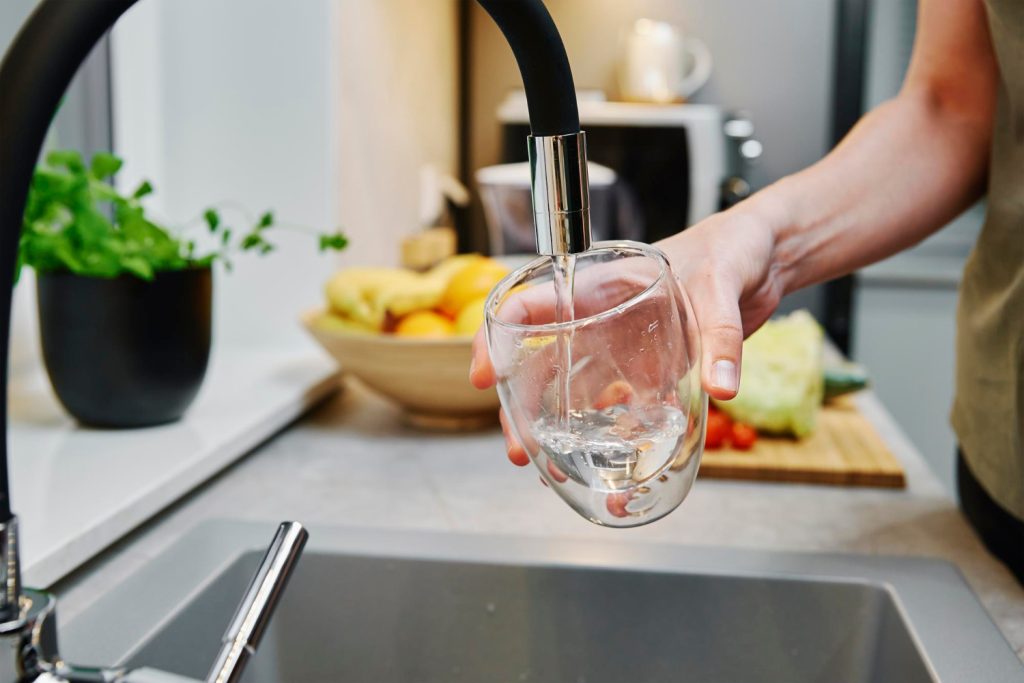
In recent years, the importance of clean and safe drinking water has become increasingly recognized. As a result, many homeowners are considering the installation of reverse osmosis (RO) systems in their homes. These systems are renowned for their ability to remove contaminants and improve water quality significantly. However, not all in-home reverse osmosis systems are created equal. This article will explore the different types of in-home reverse osmosis systems available, helping homeowners make an informed decision about which system might best suit their needs.
Types of In-Home Reverse Osmosis Systems
Reverse osmosis systems can vary widely in terms of size, complexity, and capacity. Here are some of the most common types:
Under-Sink Reverse Osmosis Systems
Under-sink systems are perhaps the most popular choice for homeowners. These systems are installed directly under the kitchen sink and typically consist of a multi-stage filtration process. Advantages include:
- Compact design that saves space.
- Easy access for maintenance and filter changes.
- Direct connection to the kitchen tap for convenience.
For those interested in a compact solution, under-sink systems might be the best choice. Read more about this topic.
Countertop Reverse Osmosis Systems
Countertop systems are ideal for renters or those who want a portable solution. These systems are easy to install and require no permanent modifications to the plumbing. Key features include:
- Portability, allowing for easy relocation.
- Simple installation processes.
- Typically lower cost than under-sink systems.
While convenient, countertop systems may not offer the same level of filtration as more permanent systems. Explore further insights here.
Whole House Reverse Osmosis Systems
Whole house systems purify water at the point where it enters the home, providing clean water to every tap. These are the most comprehensive systems available, offering several benefits:
- Provides purified water throughout the entire home.
- Reduces contaminants in both drinking water and water used for bathing and cleaning.
- Ideal for homes with specific water quality issues.
Whole house systems are often more expensive and complex to install but offer unmatched water quality. Learn more in this detailed guide.
Factors to Consider When Choosing a System
When deciding on the right reverse osmosis system, homeowners should consider several factors:
Water Quality Needs
The first step is to assess the water quality. This can determine the level of filtration required and help select a system that meets specific needs. Find additional information here.
Budget
Cost is a significant factor. Under-sink and countertop systems are generally more affordable, while whole house systems represent a more substantial investment. Potential buyers should weigh their budget against the benefits of each system.
Installation and Maintenance
Consideration should be given to the ease of installation and maintenance. Some systems require professional installation, while others can be easily installed by the homeowner. Regular maintenance, such as filter changes, is crucial for optimal performance.
Conclusion
Choosing the right in-home reverse osmosis system requires careful consideration of various factors, including the specific needs of the household, budget, and water quality requirements. Whether opting for an under-sink, countertop, or whole house system, each offers distinct advantages and considerations. For further insights and guidance on selecting the right system, explore further insights here.