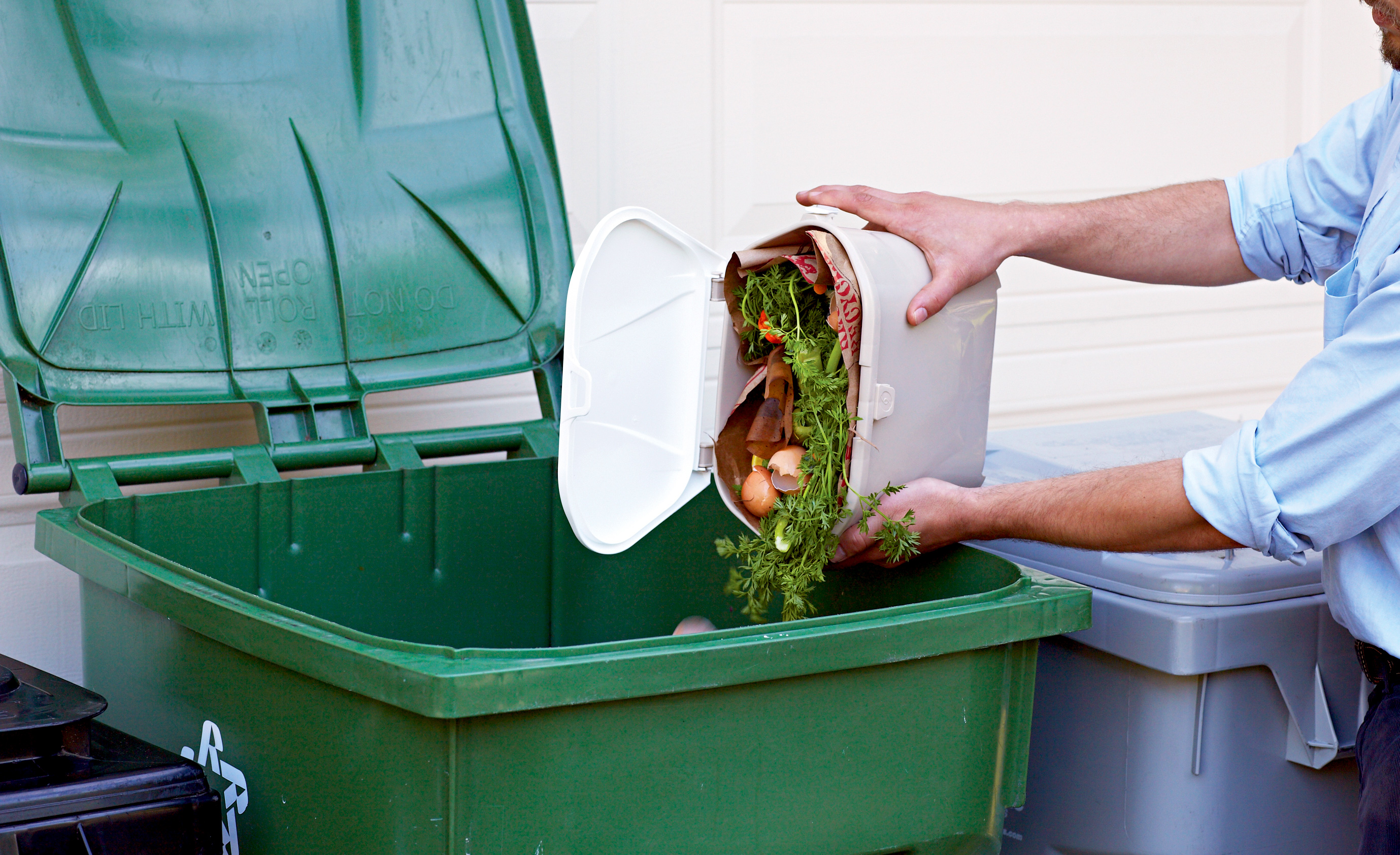
As businesses strive to enhance their sustainability profiles, office food waste composting is gaining traction as a viable option for reducing environmental impact. Food waste not only contributes to overflowing landfills but also releases harmful methane gases during decomposition. By implementing effective composting strategies, offices can significantly reduce their carbon footprint, engage employees in eco-friendly practices, and contribute positively to the community. The following sections explore various composting options available for offices, highlighting their benefits and providing actionable insights for successful implementation.
Understanding the Need for Composting
Food waste is a significant problem in office environments, where leftover food from lunches, meetings, and events accumulates daily. Composting provides a practical solution by:
- Reducing the volume of waste sent to landfills
- Minimizing greenhouse gas emissions
- Creating nutrient-rich compost that can be used in landscaping and gardening
For offices committed to sustainability, adopting food waste composting is a critical step. Discover expert strategies here for incorporating composting into office waste management plans.
Office Composting Options
On-Site Composting
On-site composting is an excellent option for offices with space and resources to manage compost bins. This method involves:
- Setting up compost bins within office premises
- Educating employees about what materials can be composted
- Regularly maintaining the bins to ensure proper breakdown of organic matter
On-site composting fosters employee engagement and provides immediate feedback on waste reduction efforts. Learn about our tailored solutions for setting up an effective on-site composting system.
Off-Site Composting Services
For offices with limited space or resources, off-site composting services offer a practical alternative. These services typically include:
- Regular collection of food waste by a composting company
- Transportation of the waste to a commercial composting facility
- Processing of waste into compost for resale or donation
This option ensures that all food waste is handled responsibly without requiring significant changes to office infrastructure. Find out more about this approach and how it can be seamlessly integrated into existing waste management systems.
Implementing a Successful Composting Program
Employee Education and Engagement
Key to the success of any composting program is employee participation. Consider the following strategies:
- Conduct workshops to educate staff about composting benefits and processes
- Provide clear signage and instructions near compost bins
- Encourage feedback and suggestions from employees to improve the program
Explore advanced guides and tips on engaging office employees in sustainability initiatives.
Monitoring and Adjustments
To ensure the composting program remains effective, regular monitoring and adjustments are necessary. This involves:
- Tracking the volume of waste diverted from landfills
- Assessing the quality of the compost produced
- Making necessary changes to improve efficiency and participation
Offices can leverage data collected to set benchmarks and goals for continuous improvement. Explore advanced guides and tips to refine and enhance composting efforts.
Conclusion
Office food waste composting is a viable and impactful strategy for businesses aiming to bolster their sustainability efforts. By choosing the right composting option and engaging employees, offices can make meaningful progress towards waste reduction and environmental responsibility. As awareness grows and solutions become more accessible, the transition to comprehensive composting programs will play a pivotal role in creating greener office environments. For further insights and expert guidance, learn about our tailored solutions for integrating composting into office practices.