Step-by-Step Organics Recycling Vancouver Process Explained
The process of organics recycling in Vancouver is a crucial step towards reducing waste and promoting sustainability in the city. With the increasing awareness of environmental issues, it’s essential to understand the steps involved in this process. In this article, we’ll break down the organics recycling vancouver process into manageable steps, making it easier for residents to participate and contribute to a cleaner environment.
Step 1: Collection and Separation
The first step in the organics recycling vancouver process is the collection and separation of organic waste. This can be done through curbside collection, drop-off facilities, or community composting programs. It’s essential to separate organic waste from other types of waste, such as paper, plastic, and glass. This separation helps in maintaining the quality of the compost and ensures that it meets the required standards.
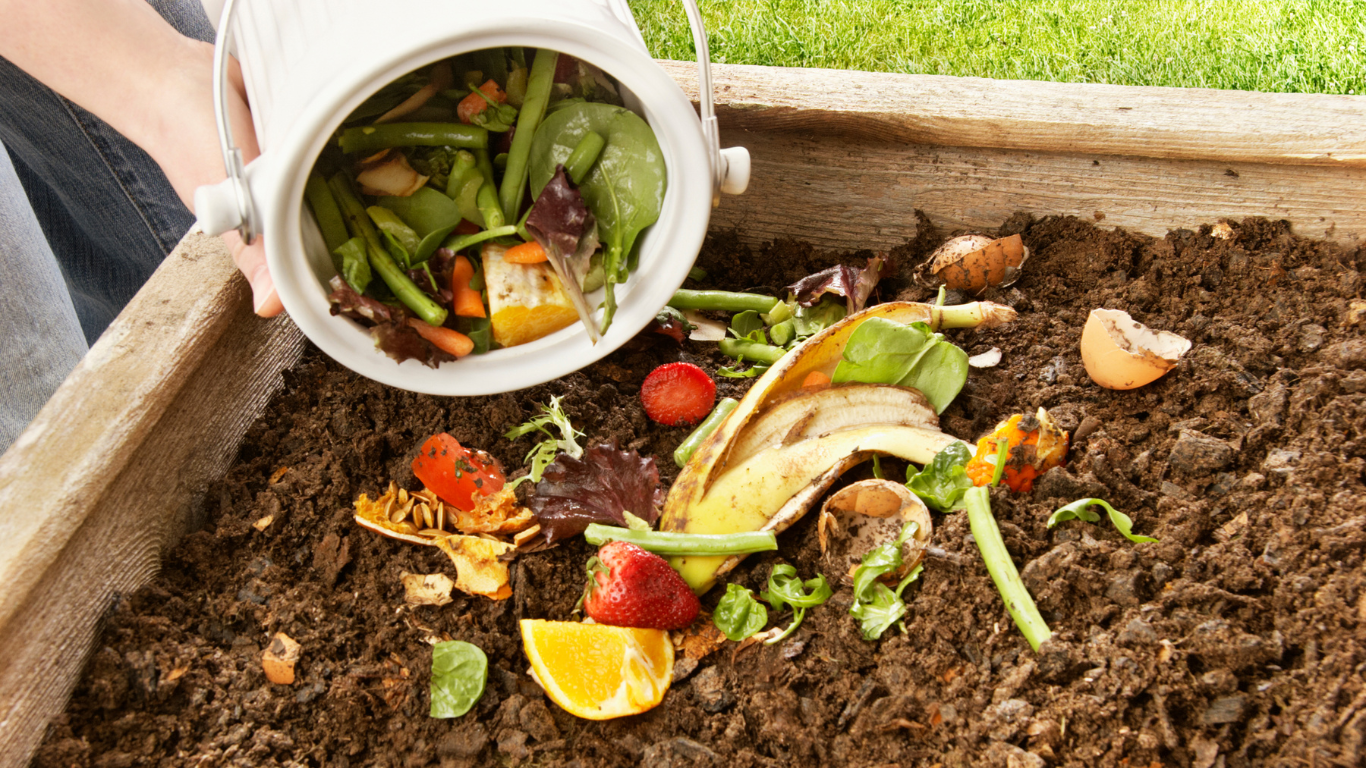
Organic waste can include food scraps, yard trimmings, and other biodegradable materials. It’s crucial to keep these materials separate from other types of waste to ensure they are processed correctly. You can start by setting up a compost bin in your backyard or participating in a community composting program. For more information on curbside collection services, visit organics recycling vancouver to learn more about the options available in your area.
Step 2: Composting
Once the organic waste is collected and separated, it’s time to compost it. Composting is the process of breaking down organic materials into a nutrient-rich soil amendment. This process involves microorganisms that feed on the organic matter, releasing heat and carbon dioxide as byproducts. The composting process can take anywhere from a few weeks to several months, depending on factors like temperature, moisture, and aeration.
It’s essential to maintain the right balance of “green” and “brown” materials in the compost pile. Green materials, such as food scraps and grass clippings, are high in nitrogen and help speed up the composting process. Brown materials, such as dried leaves and shredded paper, are high in carbon and help slow down the process. For more information on composting, including tips on maintaining the right balance of materials, visit organics recycling vancouver to learn more.
Step 3: Processing and Distribution
After the composting process is complete, the finished compost is processed and distributed to farmers, gardeners, and other users. This can include bagged compost, bulk compost, or even compost tea. The compost is used as a natural fertilizer, helping to improve soil health and promote sustainable agriculture.
The organics recycling vancouver process not only reduces waste but also promotes sustainability and environmental stewardship. By participating in this process, residents can contribute to a cleaner and healthier environment for future generations. For more information on how to get involved in the organics recycling vancouver process, visit organics recycling vancouver to learn more.
Conclusion
In conclusion, the organics recycling vancouver process is a complex but essential step towards reducing waste and promoting sustainability in the city. By understanding the steps involved in this process, residents can participate and contribute to a cleaner environment. Whether you’re a seasoned gardener or a new resident, there are many ways to get involved in the organics recycling vancouver process. Visit organics recycling vancouver to learn more about how you can make a difference.