Moisture-laden crawl spaces are a hidden source of indoor air problems, structural decay, and health concerns. When mold takes hold in these low-lying areas, it can quickly spread through ventilation pathways, contaminating living spaces above. Effective mold remediation for crawl spaces in Raleigh requires a systematic approach that combines moisture control, thorough removal, and long-term prevention. This guide outlines the essential steps, best practices, and expert considerations for restoring a healthy, dry environment beneath a home.
Understanding the Root Causes of Crawl-Space Mold
Raleigh’s humid climate, combined with typical foundation designs, creates conditions ripe for mold growth. Common contributors include:
- Inadequate drainage around the property, leading to groundwater infiltration.
- Poor ventilation that traps humid air.
- Leaking plumbing or HVAC condensate lines.
- Organic debris such as wood, insulation, and soil that provides food for fungi.
Identifying the source of moisture is the first step toward successful remediation. A detailed inspection often reveals multiple interacting factors, each of which must be addressed to prevent recurrence.
Step-by-Step Mold Remediation Process
1. Inspection and Assessment
A qualified specialist conducts a visual survey, moisture mapping, and air sampling. The goal is to locate all affected areas, assess the extent of colonization, and determine the appropriate containment level. Professional tools such as infrared cameras and hygrometers help pinpoint hidden pockets of dampness.
2. Containment and Safety Measures
To protect occupants and prevent spores from spreading, the work area is sealed off using polyethylene barriers and negative air pressure units. Personal protective equipment (PPE) including N-95 respirators, gloves, and goggles is mandatory for anyone entering the space.
3. Removal of Contaminated Materials
All porous materials that have been compromised, such as insulation, wood framing, and drywall, are carefully removed and bagged for disposal. Non-porous surfaces like concrete floors and metal joists are cleaned with an EPA-approved biocide or a diluted bleach solution (1:10 ratio) to eradicate residual spores.
4. Drying and Dehumidification
After cleaning, the crawl space must be brought to a moisture content below 12″?%. Industrial-grade dehumidifiers and high-velocity air movers run continuously until equilibrium is achieved. Continuous monitoring ensures that hidden moisture does not re-accumulate.
5. Application of Antimicrobial Treatments
Even after visible mold is removed, a preventative antimicrobial coating is applied to all hard surfaces. This creates a protective barrier that inhibits future fungal growth while being safe for indoor air quality.
6. Restoration and Prevention
Once the space is dry and treated, the final phase involves restoring the crawl space to a functional state. This typically includes:
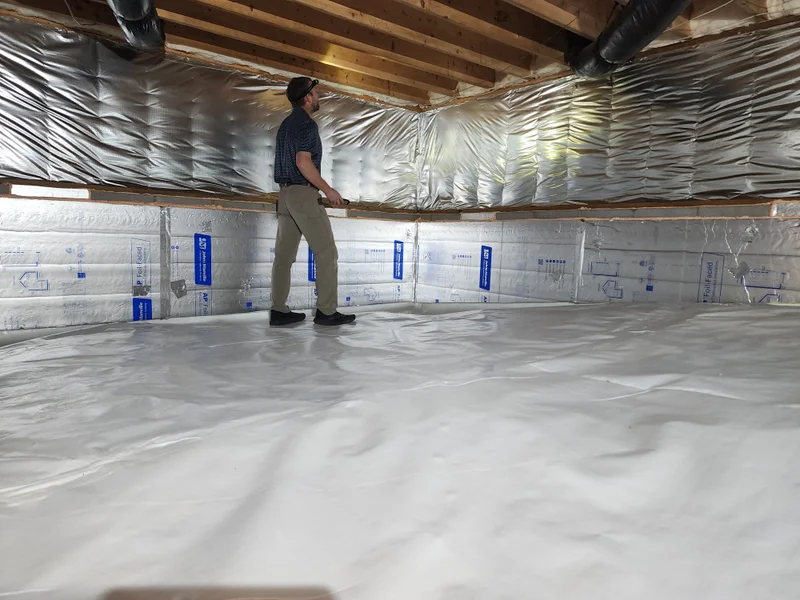
- Installing a vapor barrier (minimum 6″?mil polyethylene) over the soil.
- Sealing all exterior foundation cracks and grading the landscape away from the house.
- Adding a dedicated ventilation system or a conditioned air supply to maintain proper airflow.
- Implementing a routine inspection schedule to catch moisture issues early.
Key Benefits of Professional Mold Remediation
Engaging experienced technicians for mold remediation in crawl space in Raleigh delivers measurable advantages:
- Health protection: Reduces exposure to allergens, mycotoxins, and respiratory irritants.
- Structural integrity: Prevents rot and corrosion that can compromise foundations and framing.
- Energy efficiency: A sealed, dry crawl space improves HVAC performance and lowers utility bills.
- Property value: A well-maintained foundation is an attractive feature for buyers and appraisers.
Preventative Strategies for Long-Term Success
Even after a successful remediation, ongoing vigilance is essential. The following practices help maintain a mold-free crawl space:
- Install and regularly inspect gutters and downspouts to direct water away from the foundation.
- Maintain a consistent indoor humidity level (30-50″?%) using whole-house dehumidifiers.
- Schedule annual inspections, especially after heavy rains or seasonal changes.
- Consider encapsulation, a comprehensive barrier system that isolates the crawl space from external moisture sources.
Choosing the Right Expertise
When selecting a service provider, look for certifications such as IICRC (Institute of Inspection, Cleaning and Restoration Certification) and evidence of experience with Raleigh’s specific climate challenges. Transparent communication, detailed written reports, and a clear remediation plan are hallmarks of a reputable professional.
Conclusion
Addressing mold in crawl spaces is not a cosmetic task; it is a critical investment in the health, durability, and efficiency of a home. By following a systematic remediation protocol, inspection, containment, removal, drying, treatment, and prevention, homeowners can eliminate existing contamination and safeguard against future growth. With the right expertise and ongoing maintenance, Raleigh residents can enjoy a dry, clean foundation that supports a healthier living environment for years to come.