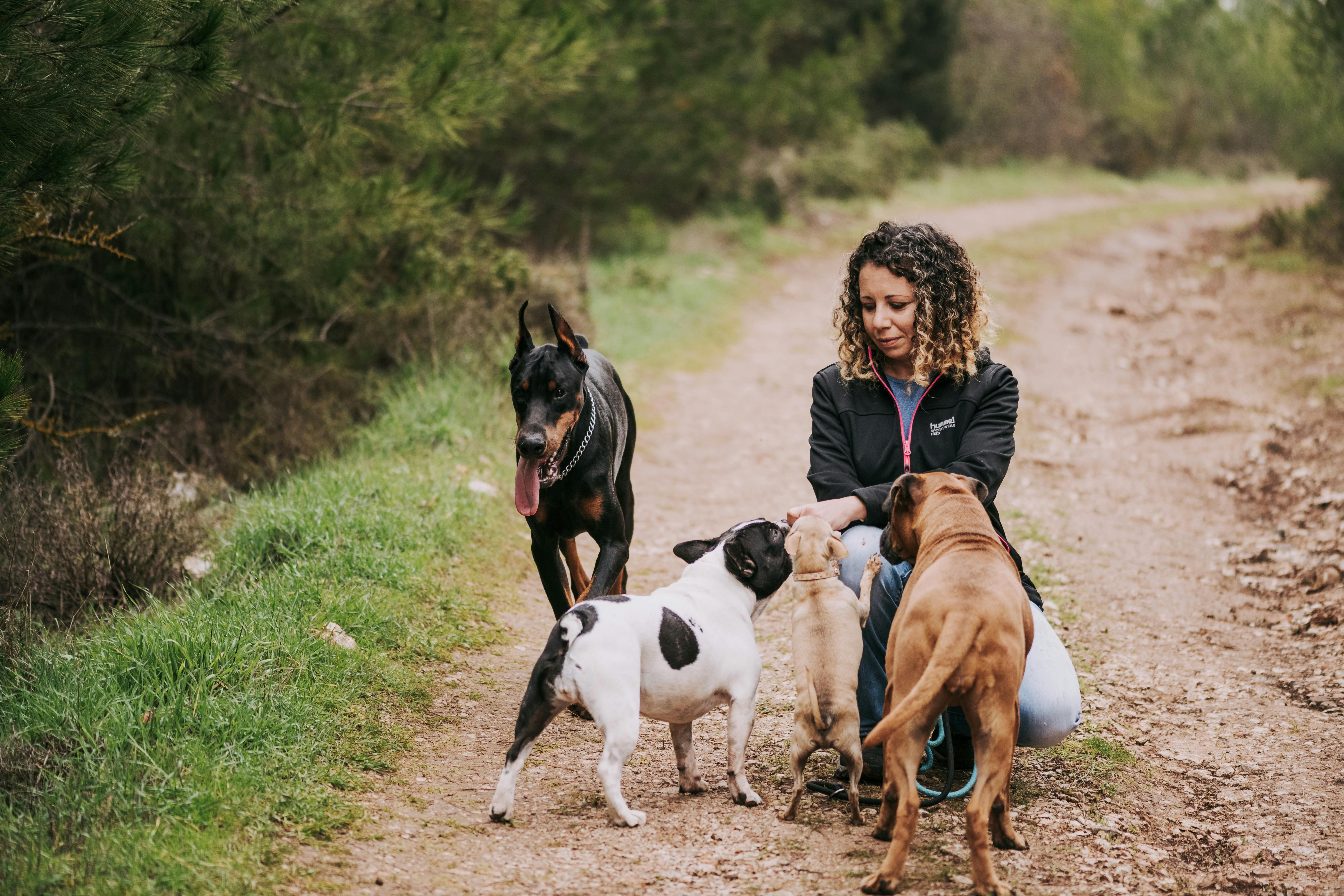
Finding reliable private dog sitters nearby can feel like searching for a needle in a haystack, especially when the goal is to provide a familiar, stress-free environment for a beloved pet. Unlike large boarding facilities, a private sitter offers one-on-one attention, flexible schedules, and a home-like atmosphere that many dogs thrive in. This article explores the key factors that differentiate high-quality private dog care, outlines how to evaluate potential sitters, and provides actionable tips for ensuring that every tail wags with confidence while owners are away.
Why Private Dog Sitters Outperform Traditional Boarding
Private dog sitters bring a level of personalization that mass boarding cannot match. The benefits extend beyond simple convenience and include:
- Individualized Attention: One sitter can focus entirely on a single dog, tailoring walks, playtime, and feeding routines to the pet’s specific needs.
- Reduced Stress: Dogs remain in a familiar home setting, minimizing anxiety caused by unfamiliar sounds, smells, and other animals.
- Flexible Scheduling: Sitters often accommodate irregular hours, late-night feeds, or weekend trips without the rigid check-in/out times of kennels.
- Consistent Routine: Maintaining a dog’s regular schedule helps preserve behavioral stability and health.
Key Qualities to Look For in a Private Dog Sitter
When vetting candidates, focus on measurable traits rather than vague promises. The following checklist can streamline the selection process:
Experience and Training
- Verified background in pet care, animal behavior, or veterinary assistance.
- First-aid certification and knowledge of emergency protocols.
- References from previous clients highlighting reliability and compassion.
Reliability and Communication
- Prompt response to inquiries and clear, written agreements.
- Regular updates (photos, messages) during the sitter’s time with the dog.
- Availability for last-minute changes or extended stays.
Safety Measures
- Home environment that is secure, dog-proofed, and free from hazards.
- Insurance coverage or bonding that protects both the pet and the owner.
- Clear procedures for handling medical emergencies, including contact information for local veterinarians.
How to Conduct a Thorough Interview
A structured interview helps confirm that a sitter’s approach aligns with a dog’s unique personality. Consider these discussion points:
- Describe a typical day with a dog, walks, play, feeding, and rest periods.
- Ask about handling specific behaviors such as separation anxiety or leash reactivity.
- Inquire about experience with dogs of similar size, breed, or health conditions.
- Request a trial visit to observe interaction and gauge comfort levels.
For additional guidance on evaluating sitters, Discover expert strategies here.
Setting Clear Expectations and Agreements
Transparent agreements prevent misunderstandings and protect both parties. Essential elements include:
- Exact dates and times for service, including any buffer periods.
- Detailed feeding schedule, medication instructions, and special dietary needs.
- Pricing structure, payment methods, and cancellation policies.
- Emergency protocols, including who to contact and where to take the dog if needed.
Professional resources often provide templates that can be customized. Learn about our tailored solutions.
Integrating Technology for Peace of Mind
Modern pet-care technology enhances transparency and safety. Consider these tools:
- Live-stream cameras: Allows owners to check in on their dog in real time.
- GPS tracking collars: Monitors walks and ensures the dog stays within safe boundaries.
- Automated feeding devices: Guarantees consistent meal times when a sitter is unavailable.
When selecting a sitter, ask about the technology they use and whether owners can receive regular updates. Explore advanced guides and tips.
Maintaining a Positive Relationship with Your Sitter
Long-term success often depends on mutual respect and clear communication. Follow these best practices:
- Provide a welcome packet containing the dog’s routine, favorite toys, and emergency contacts.
- Offer feedback after each visit, both praise for what went well and constructive suggestions for improvement.
- Show appreciation with occasional gestures, such as a thank-you note or a small gift.
Consistent, courteous interaction fosters trust and ensures that the sitter remains motivated to deliver top-notch care. Find out more about this approach.
Conclusion
Choosing a private dog sitter near you is an investment in a pet’s emotional well-being and physical health. By prioritizing experience, communication, safety, and technology, owners can secure a caregiver who delivers personalized, stress-free service. The right sitter not only maintains a dog’s daily routine but also creates a nurturing environment that mirrors the love and attention found at home. With the strategies outlined above, finding that perfect match becomes a systematic, confidence-building process, allowing both pet and owner to enjoy peace of mind during any period of separation.