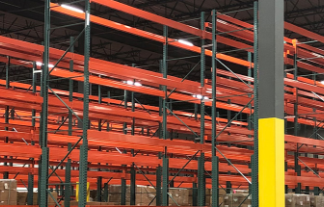
In the fast-paced environment of modern logistics, warehouse efficiency plays a crucial role in meeting the demands of businesses and customers alike. One of the cornerstone solutions in optimizing these logistics operations is the implementation of industrial pallet racking systems. These systems are designed to maximize storage capacity, enhance accessibility, and streamline warehouse processes. As warehouses continue to evolve to accommodate growing inventories and faster fulfillment cycles, industrial pallet racking systems have become integral to operational success.
Benefits of Industrial Pallet Racking
Industrial pallet racking systems offer numerous advantages that contribute to the overall efficiency of warehouse operations. Some of the key benefits include:
- Maximized Storage Space: By utilizing vertical space efficiently, pallet racking allows for a significant increase in storage capacity without expanding the physical footprint of a warehouse.
- Improved Accessibility: These systems are designed to provide easy access to stored goods, reducing the time and effort required for inventory management.
- Enhanced Safety: Industrial racking systems are engineered to support heavy loads and withstand the rigors of daily use, thereby minimizing the risk of accidents and damage to goods.
- Scalability: As business needs change, pallet racking systems can be easily adjusted or expanded to accommodate new inventory or operational requirements.
Types of Industrial Pallet Racking Systems
There are several types of industrial pallet racking systems available, each designed to meet specific storage and operational needs:
Selective Racking
Selective racking is one of the most common types of pallet racking systems. It allows for direct access to each pallet, making it an ideal choice for warehouses with a diverse range of products and frequent stock rotation.
Drive-In/Drive-Through Racking
These systems are designed for high-density storage of homogeneous products. They are particularly useful in facilities where storage capacity is prioritized over accessibility, such as cold storage warehouses.
Push Back Racking
Push back racking systems are designed to store pallets on inclined rails, allowing them to be pushed back and stored up to several deep. This system is beneficial for utilizing space efficiently while maintaining a relatively high level of accessibility.
Pallet Flow Racking
Also known as gravity flow racking, this system utilizes a sloped design to allow pallets to glide smoothly from the back to the front of the rack. This is ideal for first-in, first-out (FIFO) inventory systems.
Implementing Pallet Racking Systems
When considering the implementation of pallet racking systems, it’s important to conduct a thorough analysis of the warehouse’s specific needs and constraints. Key considerations include:
- Inventory Characteristics: Assess the types of products stored and their storage requirements, including weight, size, and turnover rate.
- Warehouse Layout: Evaluate the available space, ceiling height, and floor load capacity to determine the most suitable racking system.
- Operational Workflow: Consider the impact of the racking system on material handling processes, including picking, loading, and unloading operations.
Conclusion
Industrial pallet racking systems are pivotal in optimizing warehouse operations by maximizing space utilization, enhancing safety, and improving accessibility. The choice of racking system should be guided by the specific storage needs and operational goals of the warehouse. As businesses continue to seek ways to improve efficiency and productivity, the strategic implementation of industrial pallet racking will remain a key component in achieving these objectives.