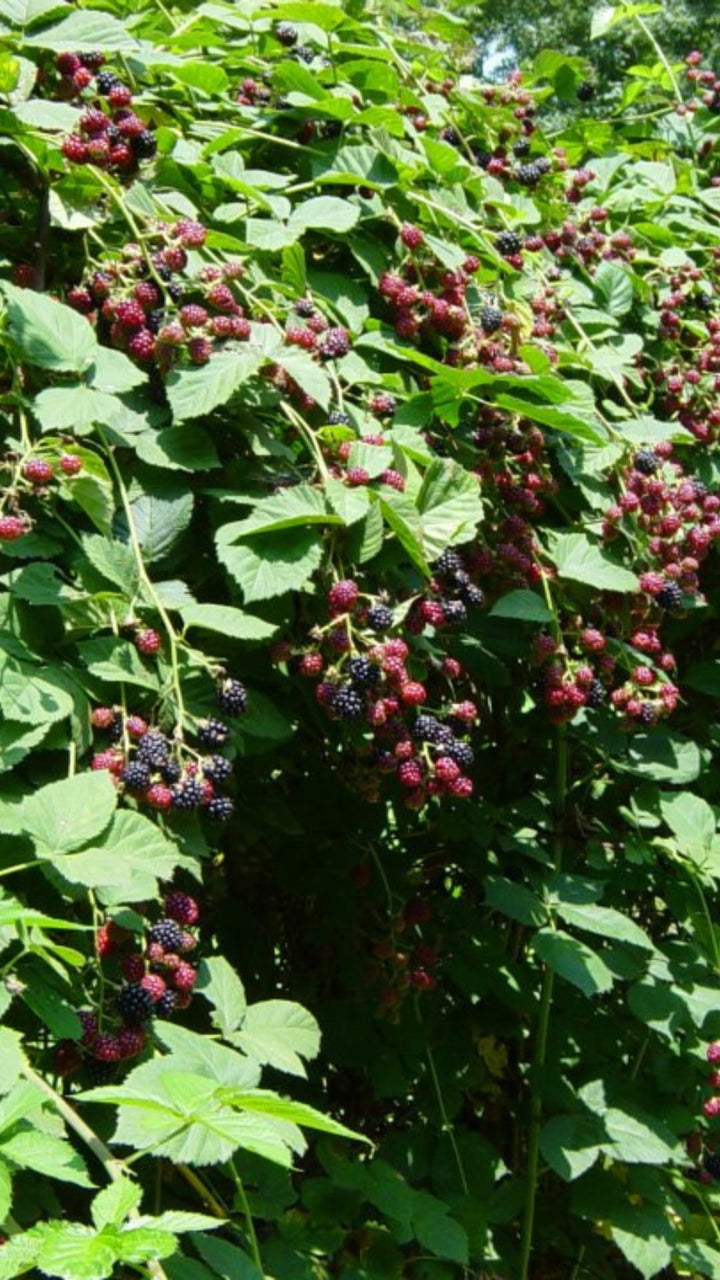
For gardeners and berry enthusiasts, thornless blackberries represent a perfect blend of ease and productivity. These berry plants promise an abundant harvest with minimal hassle, making them a sought-after choice for both amateur and experienced gardeners. With their lack of thorns, these plants are not only easier to manage but also safer to handle, providing an enjoyable picking experience for the entire family.
Why Choose Thornless Blackberries?
Thornless blackberries offer several advantages that make them an attractive option for those looking to cultivate berry plants:
- Ease of Maintenance: Without thorns, these plants are simpler to trim, prune, and harvest, reducing the risk of injury.
- Abundant Harvest: Despite lacking thorns, these varieties often yield a plentiful crop, making them a fruitful addition to any garden.
- Versatile Use: Ideal for fresh consumption, cooking, and preserving, the berries cater to a range of culinary applications.
Planting and Care Tips
Optimal Growing Conditions
To achieve the best results with thornless blackberries, consider the following growing conditions:
- Sunlight: These plants thrive in full sun, requiring at least six hours of direct sunlight daily.
- Soil Requirements: Well-drained, sandy loam soil with a pH between 5.5 and 6.5 is ideal. Ensure the soil is rich in organic matter.
- Watering: Regular watering is crucial, especially during dry spells. However, avoid overwatering as it can lead to root rot.
Pruning and Training
Pruning is essential for maintaining healthy growth and maximizing fruit production. Here are some tips for effective pruning:
- Timing: Prune in late winter or early spring before new growth begins.
- Techniques: Remove any dead or damaged canes and thin out overcrowded areas to improve air circulation.
- Training: Use trellises or supports to train the canes, promoting a more organized growth structure.
For comprehensive guidance on blackberry care, explore advanced guides and tips provided by seasoned experts.
Common Pests and Solutions
While thornless blackberries are relatively resilient, they can still fall prey to pests. Effective management strategies include:
- Aphids: Use insecticidal soap or neem oil to control infestations.
- Spider Mites: Increase humidity around plants and employ miticides if necessary.
- Birds: Protect ripening berries with netting to prevent birds from consuming the crop.
For more in-depth pest control strategies, discover expert strategies here.
Harvesting and Utilization
Harvesting thornless blackberries is a straightforward process, thanks to the absence of thorns. Follow these tips for a successful harvest:
- Ripeness: Pick berries when they are fully black and slightly soft to the touch.
- Frequency: Regularly check plants and harvest every few days during the peak season to ensure optimal freshness.
- Storage: Refrigerate harvested berries promptly to extend shelf life, or consider freezing for long-term preservation.
To learn about the various ways to enjoy your blackberry harvest, find out more about this approach.
Conclusion
Incorporating thornless blackberries into your garden not only enhances your landscape but also offers a bountiful supply of delicious berries. With proper care and attention, these easy-to-manage plants can flourish, providing enjoyment for years to come. Whether you’re a novice gardener or a seasoned horticulturist, thornless blackberries are a rewarding addition to any planting scheme. Learn about our tailored solutions to start your journey in cultivating these exceptional berry plants today.