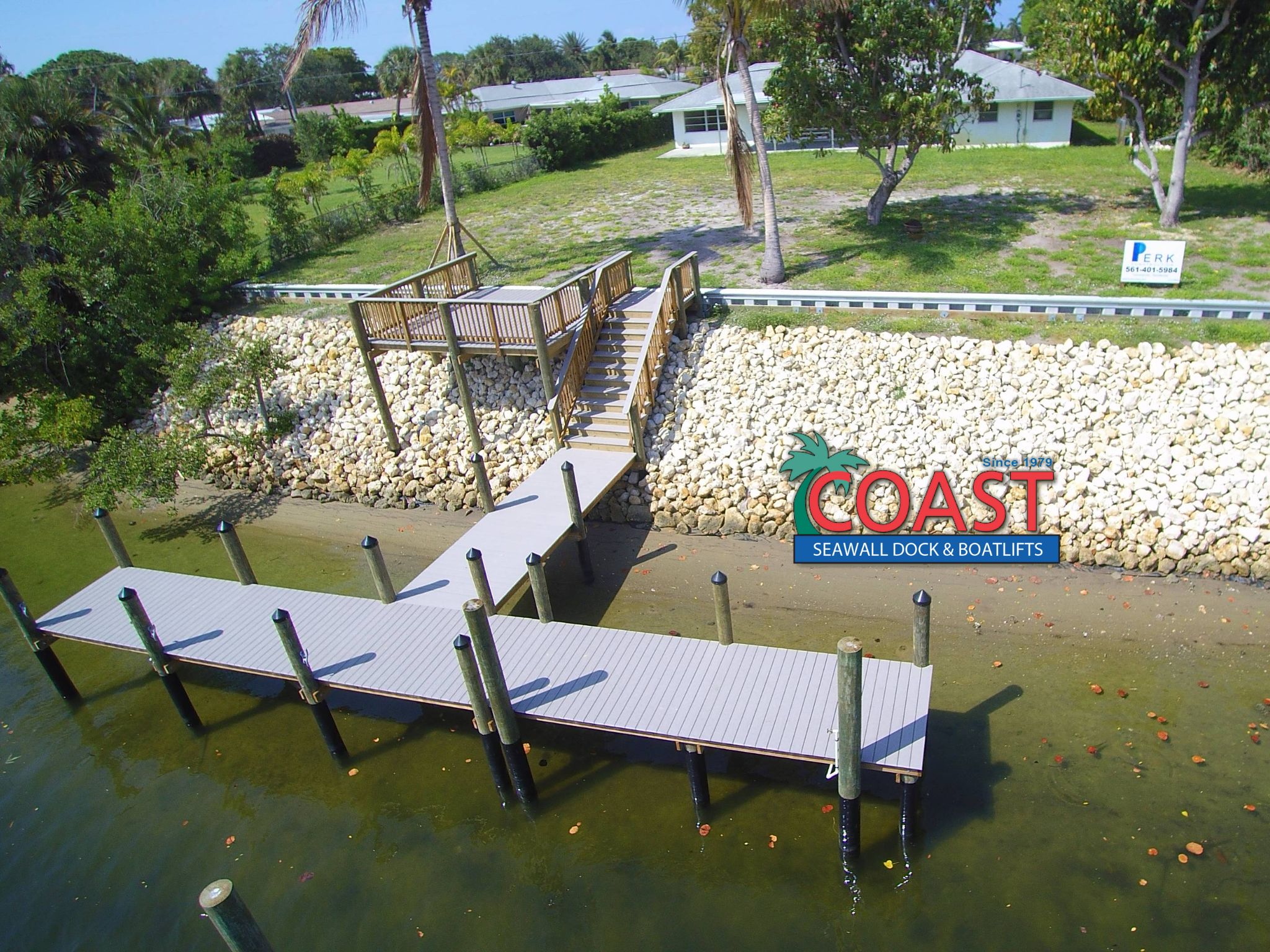
Revetment walls play a crucial role in protecting coastal and inland areas from erosion and the abrasive forces of water. These structures are designed to absorb and deflect the energy of incoming waves, thus preserving the integrity of the shoreline or riverbank. Crafting a strong and durable revetment wall requires careful consideration of materials, design principles, and environmental impacts. By understanding these key elements, one can ensure the effectiveness and longevity of a revetment wall, safeguarding valuable land and property.
Understanding Revetment Wall Materials
Selecting the appropriate materials is fundamental to the construction of a resilient revetment wall. The choice of materials should be guided by the specific environmental conditions and the intended lifespan of the structure. Common materials include:
- Riprap: Large stones or concrete pieces used to armor shorelines and riverbanks. They are effective in dissipating wave energy.
- Geotextiles: Fabrics placed between the soil and the riprap to prevent soil erosion while allowing water to pass through.
- Concrete blocks: Engineered blocks stackable for easy installation, offering uniformity and strength.
- Gabions: Wire mesh baskets filled with rocks, providing both flexibility and stability.
For those seeking detailed guidance on material selection, explore advanced guides and tips to ensure the most suitable materials are chosen for specific site conditions.
Design Principles for Effective Revetment Walls
Site Assessment
Before designing a revetment wall, a comprehensive site assessment is necessary. This includes evaluating:
- The wave climate, including height, period, and direction.
- Soil composition and stability.
- The slope of the shoreline or riverbank.
- Potential environmental impacts on local ecosystems.
Conducting a thorough site assessment helps in tailoring the design to withstand local conditions. Interested parties can learn about our tailored solutions for site-specific challenges.
Structural Design Considerations
The design of a revetment wall must incorporate certain key elements to ensure its durability:
- Foundation: A stable foundation is crucial to prevent settling and shifting. This often involves excavation and the use of foundation stones or concrete.
- Slope angle: The angle of the revetment slope should be gentle enough to dissipate wave energy but steep enough to avoid excessive space usage.
- Layer thickness: Adequate thickness of armor layers is essential for resisting wave forces.
- Drainage: Proper drainage systems must be in place to prevent water pressure build-up behind the wall.
For comprehensive design insights, discover expert strategies here that align with best practices and innovative solutions.
Environmental and Regulatory Considerations
Building a revetment wall requires adherence to environmental regulations and permits. Consider the following:
- Impact assessments: Evaluate the potential environmental impacts on flora and fauna.
- Regulatory compliance: Obtain necessary permits from local and federal agencies.
- Sustainable practices: Incorporate eco-friendly materials and methods to minimize environmental impact.
Professionals can find out more about this approach to ensure compliance and sustainability in revetment wall projects.
Conclusion
Designing a strong and durable revetment wall involves a synergy of material selection, precise engineering, and environmental stewardship. By focusing on these aspects, stakeholders can ensure the protection of coastlines and waterways. For those looking to implement effective revetment solutions, understanding these principles is imperative. Additional resources and expert guidance can be accessed through coastal engineering experts, providing tailored approaches to meet diverse project needs.