Indoor gardening enthusiasts often encounter challenges when it comes to selecting the appropriate potting mix for their plants. Traditional soil mixes can sometimes fall short, especially in urban environments where conditions are controlled. This is where soilless potting mixes come into play. These innovative solutions offer a myriad of benefits for indoor plants, providing optimal conditions for root growth, water drainage, and nutrient absorption. Whether you’re a seasoned gardener or just starting out, understanding the available soilless options can enhance your indoor gardening experience. This guide delves into the various types of soilless potting mixes, helping you make informed decisions for your indoor plants.
What is a Soilless Potting Mix?
Soilless potting mixes are engineered blends that do not contain any natural soil or dirt. They are designed to provide plants with the necessary nutrients, moisture, and air circulation without the inconsistencies or pathogens often found in natural soil. These mixes are typically sterile, lightweight, and tailored to promote healthy plant growth.
Components of Soilless Mixes
Common Ingredients
Soilless potting mixes are composed of various ingredients that serve specific functions. Common components include:
- Peat Moss: Retains moisture and nutrients while providing a lightweight structure.
- Perlite: Enhances aeration and drainage due to its porous nature.
- Vermiculite: Holds moisture and nutrients, releasing them gradually to the plant roots.
- Coconut Coir: Sustainable and fibrous, it improves water retention and aeration.
- Bark or Wood Chips: Increases drainage and provides a stable structure.
Benefits of Using Soilless Mixes
Opting for soilless potting mixes can offer several advantages:
- Consistency: Unlike natural soil, soilless mixes provide a consistent environment for plant growth.
- Reduced Risk of Disease: Being sterile, they reduce the likelihood of soil-borne diseases.
- Optimal Drainage and Aeration: Promotes healthier root systems and prevents root rot.
- Lightweight: Easier to handle and transport, especially for larger pots.
For those interested in exploring these benefits further, discover expert strategies here.
Choosing the Right Soilless Mix for Your Plants
Different plants have varied requirements, and selecting the right mix can make a significant difference in plant health and growth.
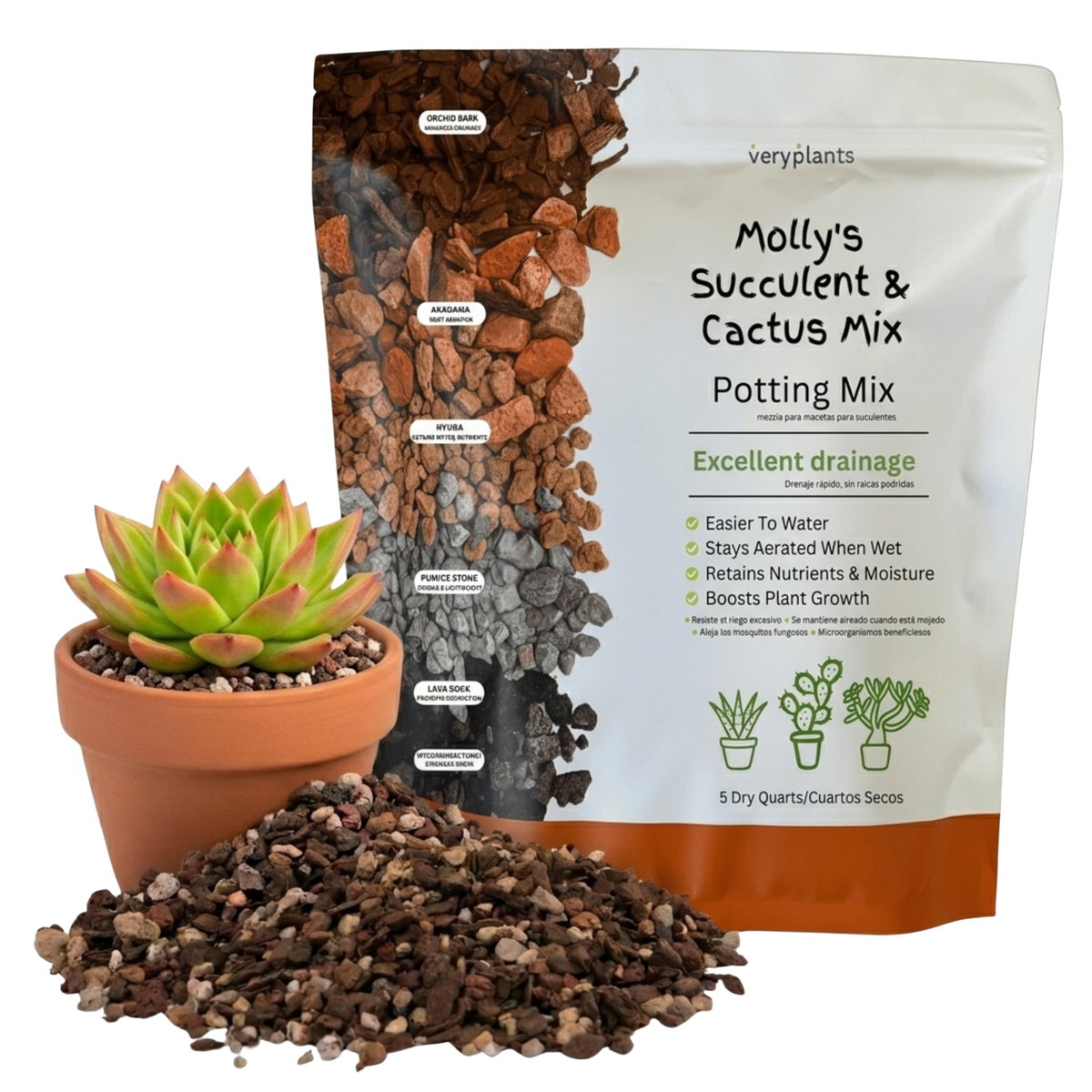
For Succulents and Cacti
These plants thrive in well-drained environments. A mix with higher perlite content is ideal, as it ensures quick drainage and prevents waterlogging.
For Tropical Plants
Tropical plants generally require more moisture. A soilless mix that incorporates peat moss or coconut coir can help retain the necessary moisture levels.
To understand more about tailored solutions for specific plants, learn about our tailored solutions.
Tips for Using Soilless Mixes
- Regular Fertilization: Soilless mixes are typically low in nutrients, so regular fertilization is necessary.
- Monitor Moisture Levels: Use a moisture meter to ensure the mix stays at optimal moisture levels.
- Repotting: Refresh the potting mix annually to maintain plant health.
For more advanced guides and tips, explore advanced guides and tips.
Conclusion
Soilless potting mixes offer versatile and efficient solutions for indoor gardening. By selecting the right ingredients and understanding plant-specific requirements, gardeners can foster an environment conducive to plant health and growth. For those looking to delve deeper into these innovative gardening solutions, find out more about this approach. The right mix can transform an indoor space into a thriving green oasis.