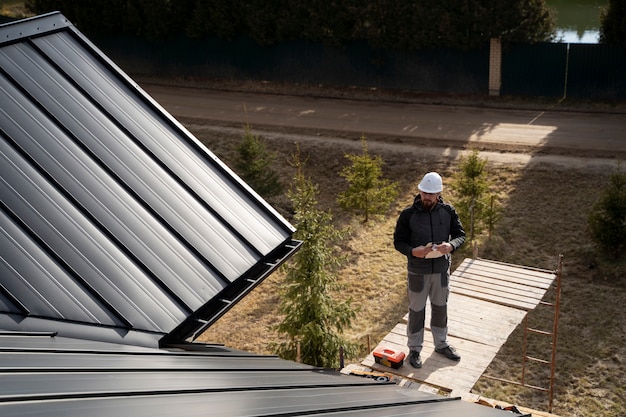
Metal roofs are known for their durability, longevity, and minimal maintenance requirements. However, to ensure they remain in top condition, regular inspections are essential. Understanding the intricacies of a thorough metal roof inspection can help in identifying potential issues early, thus avoiding costly repairs. This guide is designed to provide a comprehensive overview of the necessary steps for a successful metal roof inspection, ensuring peace of mind and the longevity of the roofing system.
Understanding the Importance of Metal Roof Inspections
Regular inspections are crucial for maintaining the integrity of a metal roof. They help in:
- Identifying early signs of wear and tear
- Preventing potential leaks and water damage
- Extending the lifespan of the roof
- Saving costs on major repairs by catching issues early
For more detailed strategies, discover expert strategies here that can guide you through the process.
Key Components of a Metal Roof Inspection
1. Visual Examination
The first step in any roof inspection is a thorough visual examination. This involves:
- Checking for visible damage such as dents, scratches, or fading
- Inspecting seams and joints for signs of separation
- Assessing the condition of roof fasteners and ensuring they are not loose or missing
To explore advanced guides and tips on visual roof examinations, explore advanced guides and tips.
2. Assessing the Roof’s Structural Integrity
This involves evaluating the overall strength and safety of the roof’s structure. Key aspects include:
- Examining the roof’s support system for any signs of sagging or weakness
- Ensuring the roof’s underlayment is intact and providing adequate support
- Checking for any signs of rust or corrosion on metal components
To find out more about this approach, find out more about this approach.
3. Inspecting Flashing and Sealants
Flashing and sealants are critical for preventing water ingress. During the inspection:
- Ensure all flashing is securely fastened and free from damage
- Check sealants for cracks or deterioration, especially around roof penetrations like vents and chimneys
- Evaluate the effectiveness of the drainage system, including gutters and downspouts
Learn about our tailored solutions for inspecting and maintaining these elements: learn about our tailored solutions.
4. Evaluating the Metal Roof’s Surface
The surface condition of the metal roof is a clear indicator of its overall health:
- Look for signs of discoloration or staining, which can indicate water pooling
- Check for biological growth such as moss or algae, which can damage the roof over time
- Identify any areas where the protective coating may have worn away
For those interested in more detailed evaluations, explore advanced guides and tips related to surface evaluation techniques.
Conclusion
Conducting a comprehensive metal roof inspection is vital for preserving the roof’s condition and extending its lifespan. By following the outlined steps and regularly checking for potential issues, property owners can safeguard their investment and ensure the roof’s performance over the years. For additional guidance and expert advice, discover expert strategies here to maximize the effectiveness of metal roof inspections.