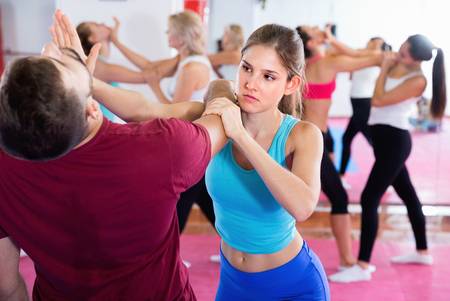
In today’s fast-paced world, the development of confidence and discipline in youth has become increasingly important. As children face numerous challenges and distractions, parents and educators alike seek ways to instill these crucial traits. Martial arts have emerged as a compelling solution, offering a structured environment where young individuals can grow both mentally and physically. Emphasizing respect, focus, and perseverance, martial arts training can significantly impact a child’s overall development. This article explores the profound influence martial arts have on building confidence and discipline in youth, providing insights into how these practices can shape a well-rounded individual.
The Role of Martial Arts in Developing Confidence
Confidence is a cornerstone of personal and professional success. Martial arts training fosters self-assurance through various mechanisms:
- Achievement of Goals: Martial arts set clear, achievable goals through belt systems. As students progress, they experience a sense of accomplishment, boosting their self-esteem.
- Overcoming Challenges: The rigorous training involved in martial arts teaches students to face and overcome challenges, reinforcing their belief in their own capabilities.
- Public Performances: Participation in tournaments and demonstrations provides young practitioners with opportunities to showcase their skills, further enhancing their confidence.
For further insights into building confidence through martial arts, discover expert strategies here.
Instilling Discipline through Martial Arts
The Structured Environment
Discipline is integral to martial arts, with its structured environment playing a key role in nurturing this trait:
- Consistent Practice: Regular training schedules teach students the value of commitment and responsibility.
- Respect for Authority: Martial arts emphasize respect for instructors and peers, fostering a disciplined attitude towards authority figures.
- Self-Control: Techniques and sparring sessions require practitioners to exercise patience and self-restraint.
For a deeper understanding of how martial arts instill discipline, learn about our tailored solutions.
Broader Benefits of Martial Arts for Youth
Improved Physical Fitness
Beyond confidence and discipline, martial arts offer numerous physical benefits:
- Enhanced Physical Health: Regular practice improves cardiovascular health, flexibility, and strength.
- Coordination and Balance: Techniques require coordination, improving overall motor skills.
These physical benefits contribute to a healthier lifestyle, promoting the well-being of young individuals.
Social Skills and Emotional Resilience
Martial arts also aid in the development of social and emotional skills:
- Teamwork and Camaraderie: Group classes encourage teamwork, helping students build friendships and social skills.
- Emotional Regulation: The discipline of martial arts aids in managing emotions, reducing stress, and developing resilience.
To explore advanced guides and tips on how martial arts contribute to emotional resilience, explore advanced guides and tips.
Conclusion
In conclusion, martial arts play a pivotal role in shaping the character of young individuals. By emphasizing confidence, discipline, physical fitness, and emotional resilience, martial arts provide a holistic approach to personal development. Parents seeking to empower their children with these essential skills may find martial arts an invaluable tool in their growth journey. Find out more about this approach to understand how martial arts can be integrated into a child’s routine for maximum benefit.