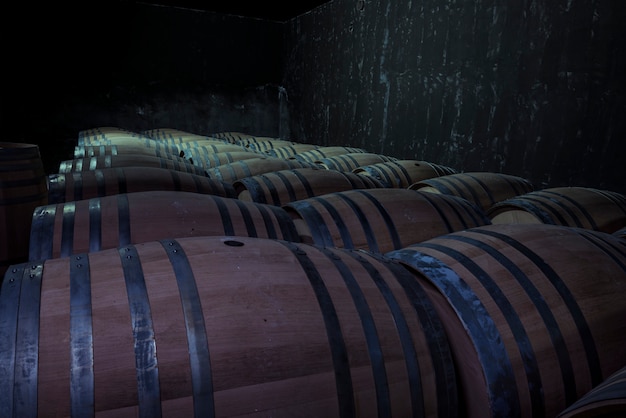
In recent years, whiskey barrel investment has emerged as a fascinating and potentially lucrative venture for enthusiasts and investors alike. The allure of owning a piece of aging whiskey, combined with the potential for substantial financial returns, has made this investment avenue increasingly popular. However, like any investment, understanding the nuances and intricacies is crucial for success. This guide aims to provide insights into the art of investing in whisky casks, offering a roadmap for both novices and seasoned investors.
Understanding Whiskey Barrel Investment
Investing in whisky casks involves purchasing barrels of whiskey that are maturing in a distillery. Over time, the whiskey ages, potentially increasing in both quality and value. The whiskey cask investment process requires patience, as the true value of the investment often becomes apparent only after several years of maturation.
Why Invest in Whiskey Casks?
There are several compelling reasons to consider investing in whisky casks:
- Increasing Demand: The global appetite for premium whiskey continues to grow, driving up demand and potentially increasing the value of casks.
- Tangible Asset: Unlike stocks or bonds, a whiskey cask is a physical asset, providing a sense of security and authenticity.
- Diversification: Adding whiskey casks to a portfolio can offer diversification, reducing overall investment risk.
The Process of Whiskey Barrel Investment
Engaging in whiskey barrel investment involves several key steps, each of which requires careful consideration and due diligence.
1. Research and Selection
The first step is to conduct thorough research to identify suitable distilleries and casks. Factors to consider include:
- Distillery Reputation: Opt for distilleries with a proven track record of producing high-quality whiskey.
- Type of Whiskey: Consider the type of whiskey, such as single malt or blended, as this can impact future market value.
2. Purchasing the Cask
Once a suitable cask is identified, the next step is purchasing. This involves negotiating with the distillery or a broker, and understanding the financial commitment required.
3. Storage and Maturation
After purchase, the cask must be stored in optimal conditions to ensure proper maturation. It is essential to choose a facility that maintains the right temperature and humidity levels.
4. Exit Strategy
Having a clear exit strategy is crucial. Options include selling the cask to collectors or other investors, or bottling the whiskey for sale. Understanding market trends can aid in determining the best time to sell.
Risks and Considerations
Like any investment, whiskey barrel investment comes with its own set of risks and considerations. It is important to be aware of these to make informed decisions.
- Market Fluctuations: Whiskey prices can fluctuate based on market demand and economic factors.
- Storage Costs: Storing whiskey casks incurs costs, which can impact overall returns.
- Time Horizon: Whiskey cask investment typically requires a long-term commitment, often several years.
Getting Started with Whiskey Cask Investment
For those new to this form of investment, it is advisable to seek expert guidance. Consulting with professionals can provide valuable insights and help navigate the complexities of the market. To explore more about this investment opportunity, consider visiting resources such as whiskey barrel investment guides.
In conclusion, whiskey cask investment offers a unique opportunity to blend passion with financial gain. By understanding the intricacies and potential risks, investors can make informed decisions and potentially enjoy both the journey and the rewards of this distinctive investment path.