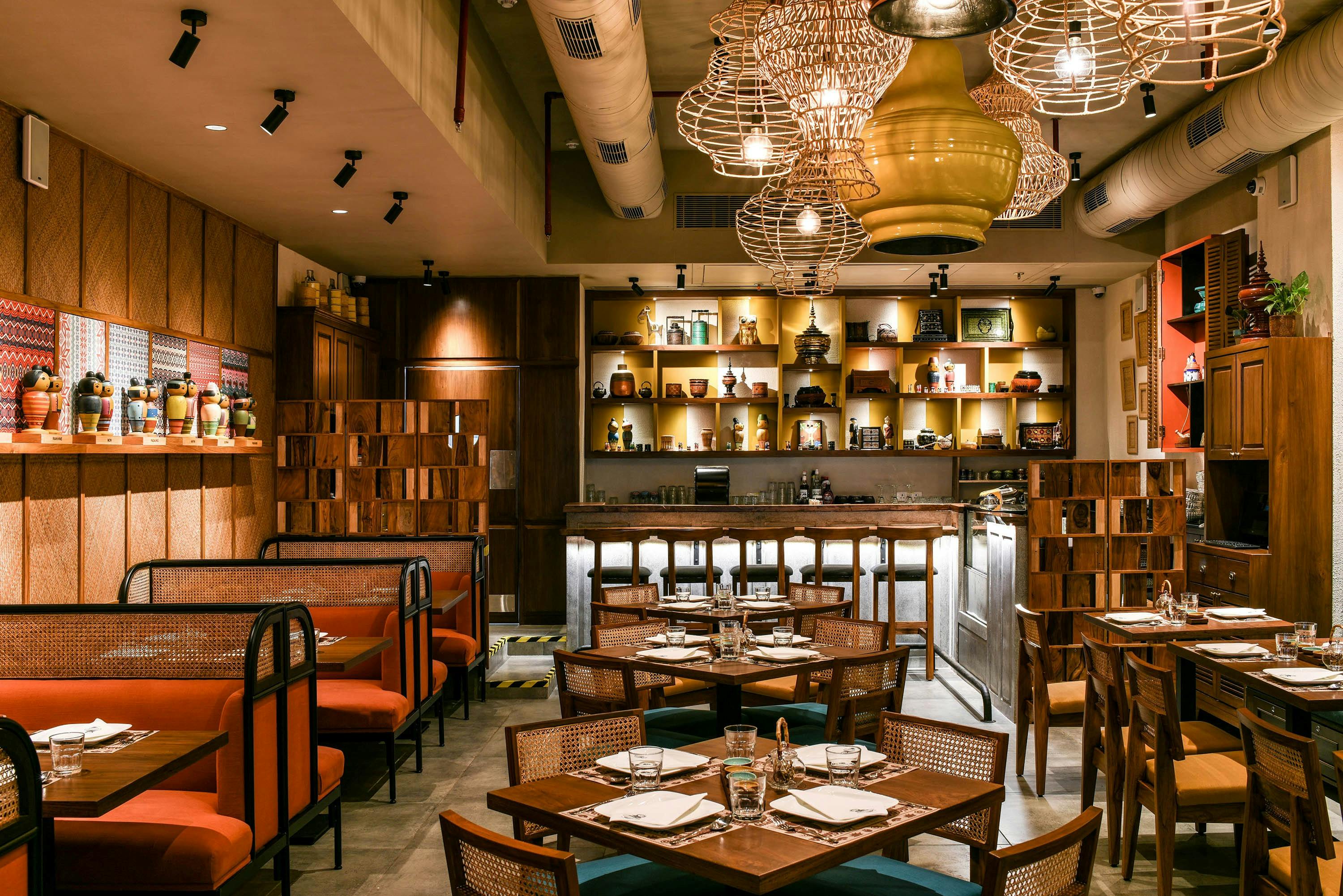
In today’s rapidly evolving retail environment, the necessity for innovative retail store layouts has never been more apparent. With the rise of online shopping, brick-and-mortar stores are compelled to offer unique in-store experiences to attract and retain customers. This shift in consumer behavior necessitates a reevaluation of traditional retail layouts to create environments that captivate, engage, and convert visitors into loyal customers. The challenge lies not only in drawing foot traffic but also in enhancing the overall shopping experience to differentiate from online counterparts.
Importance of Rethinking Retail Layouts
The design and layout of a retail store significantly influence consumer behavior and sales performance. A well-thought-out layout can lead to:
- Increased dwell time as customers spend more time exploring the store.
- Enhanced product visibility, encouraging impulse purchases.
- Improved customer flow, reducing congestion and enhancing satisfaction.
- Optimized space utilization, ensuring all areas are used effectively.
Explore further insights here on the importance of strategic store layouts and its impact on retail success.
Popular Store Layout Strategies
Grid Layout
The grid layout is a traditional and most commonly used format, especially in grocery and convenience stores. It offers:
- Efficient space utilization, maximizing product display.
- Ease of navigation, guiding customers through organized aisles.
- Consistency, allowing customers to find items quickly.
However, this layout may lack creativity and may not be suitable for stores that aim to provide a unique shopping experience.
Free-Flow Layout
The free-flow layout encourages customers to explore the store at their own pace. Key features include:
- Flexible design, allowing for creative and dynamic displays.
- Encouragement of impulse purchases, with strategically placed products.
- Enhanced shopping experience, offering a relaxed and engaging environment.
Read more about this topic to understand how free-flowing designs can transform shopping environments.
Racetrack Layout
Also known as the loop layout, the racetrack design leads customers along a predetermined path through the store. Benefits include:
- Increased exposure to products, as customers pass by all merchandise.
- Structured customer flow, minimizing congestion.
- Opportunities for thematic displays, enhancing the visual appeal.
Learn more in this detailed guide on how racetrack layouts can be effectively implemented.
Adopting Technology in Store Layouts
With advancements in technology, retail stores can integrate digital solutions into their layout strategies. Some examples include:
- Interactive displays that provide additional product information.
- Smart shelves that track inventory and customer preferences.
- Augmented reality for an immersive shopping experience.
By leveraging technology, stores can create a more personalized and efficient shopping experience. Find additional information here on how technology is reshaping retail environments.
Conclusion
Rethinking retail store layouts is essential in an era where consumer expectations are continually evolving. By adopting innovative layout strategies and integrating technology, retail stores can create compelling environments that not only attract customers but also encourage them to return. As the retail landscape continues to change, staying ahead with strategic layout designs will be key to long-term success.