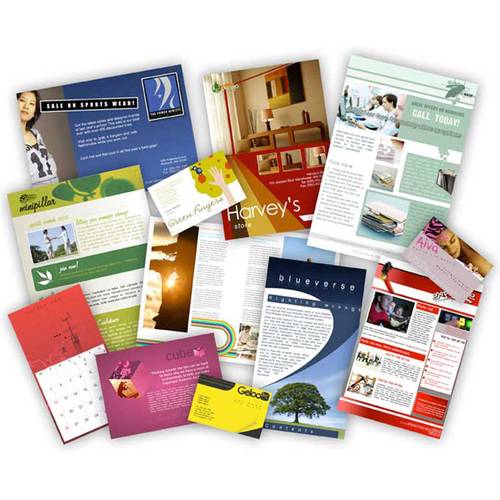
High-quality stationery printing is an essential component for businesses and individuals who wish to convey professionalism and attention to detail. Whether it’s for business cards, letterheads, or custom notepads, the quality of printed stationery can significantly impact a brand’s image. Understanding the nuances of designing, choosing the right materials, and selecting the best printing techniques is crucial in creating stationery that stands out and leaves a lasting impression.
Understanding Stationery Printing
Stationery printing is more than just putting ink on paper. It involves a series of decisions that include selecting appropriate paper stock, choosing the right design elements, and employing the correct printing methods to achieve the desired outcome. High-quality stationery printing plays a pivotal role in branding and communication strategies.
Key Elements of High-Quality Stationery
- Design: A well-thought-out design is the foundation of effective stationery. This includes the choice of colors, typography, and overall aesthetic that aligns with the brand’s identity.
- Material: The choice of paper stock influences the texture, weight, and feel of the stationery. Options range from smooth, glossy finishes to textured, matte papers.
- Printing Techniques: Various printing techniques such as offset, digital, and letterpress offer different benefits. Understanding each method’s nuances helps in selecting the right one for specific needs.
Choosing the Right Materials
The selection of materials is a critical factor in stationery printing. The paper’s weight, texture, and finish can affect not only the aesthetic appeal but also the practicality and durability of the products. Here are some considerations when choosing materials:
- Weight: Heavier paper stocks are often associated with higher quality and are preferred for business cards and official documents.
- Texture: The tactile experience is important; textured papers can add a luxurious feel to the stationery.
- Finish: Glossy finishes can enhance color vibrancy, while matte finishes offer a more subtle, elegant look.
Advanced Printing Techniques
To achieve high-quality results, understanding the different printing methods is essential. Each technique has its unique advantages and is suitable for different types of stationery.
Offset Printing
Offset printing is ideal for bulk orders and provides consistent quality across large print runs. It uses plates to transfer images onto paper, offering sharp, clean, and professional output. This method is particularly beneficial for designs that require precise color matching.
Digital Printing
Digital printing is perfect for smaller quantities and allows for quick turnaround times with minimal setup costs. It is versatile and can accommodate multiple design changes without the need for new plates, making it a cost-effective option for personalized stationery.
Design Tips for Effective Stationery
Designing stationery requires a balance between creativity and practicality. Here are some tips to ensure your stationery stands out:
- Consistency: Maintain brand consistency by using the same color schemes and fonts across all stationery items.
- Minimalism: A clean, minimalist design often conveys professionalism and sophistication.
- Readability: Choose fonts and sizes that are easy to read, ensuring the information is accessible at a glance.
Conclusion
High-quality stationery printing is an investment in a brand’s image and communication strategy. By carefully considering design, material, and printing techniques, one can create stationery that not only serves its functional purpose but also enhances brand recognition and leaves a positive impression. For more information on stationery printing, exploring professional resources can provide further insights into creating exceptional printed materials.