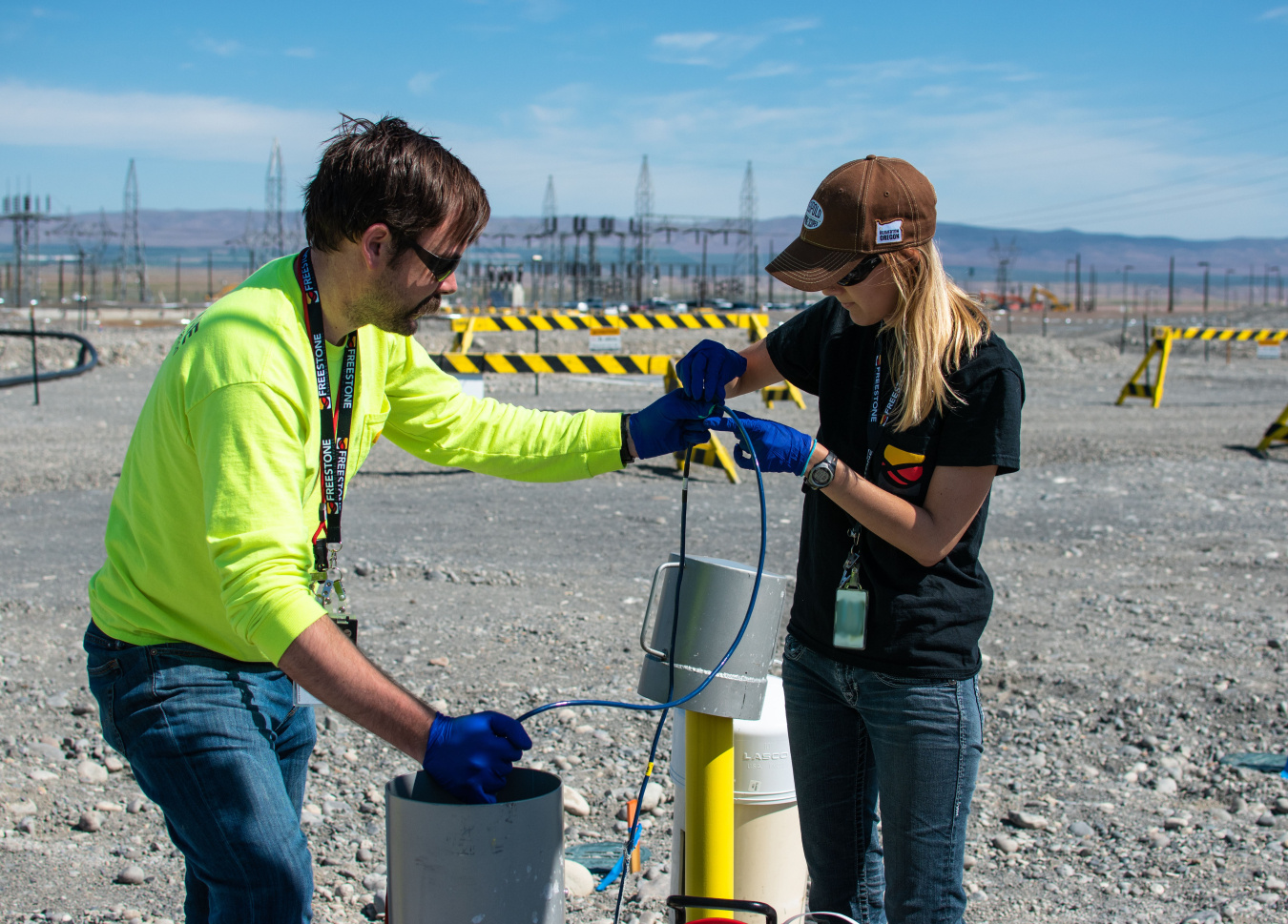
Hexavalent chromium is a significant environmental contaminant known for its potential to cause serious health issues. Commonly used in industrial processes such as electroplating, stainless steel production, and textile manufacturing, this toxic compound can leach into soil and groundwater, posing risks to ecosystems and human health. Understanding the environmental impact of hexavalent chromium and exploring effective cleanup solutions are crucial steps toward mitigating its harmful effects. This article delves into the implications of hexavalent chromium contamination and outlines potential strategies for remediation.
Environmental Impact of Hexavalent Chromium
The release of hexavalent chromium into the environment can have far-reaching consequences:
- Contamination of soil and groundwater, leading to potential exposure through drinking water.
- Toxicity to aquatic life, affecting biodiversity and disrupting ecosystems.
- Airborne exposure risks to populations living near industrial areas.
- Long-term health effects on humans, including respiratory issues and increased cancer risk.
The environmental persistence of hexavalent chromium necessitates proactive measures to prevent contamination and remediate affected sites.
Discover expert strategies here.
Strategies for Hexavalent Chromium Cleanup
Effective cleanup of hexavalent chromium requires a comprehensive approach that combines various methods. Below are some key strategies:
Soil Remediation
Addressing contaminated soil is a primary concern in hexavalent chromium cleanup. Techniques include:
- Excavation and Removal: Physically removing contaminated soil for treatment or disposal.
- Soil Washing: Using chemical agents to extract hexavalent chromium from soil particles.
- Stabilization: Adding materials that immobilize contaminants, preventing leaching.
Learn about our tailored solutions for soil remediation techniques.
Groundwater Treatment
Groundwater contamination poses significant risks and requires innovative treatment solutions such as:
- Pump and Treat: Extracting contaminated groundwater, treating it, and then re-injecting it into the aquifer.
- Permeable Reactive Barriers (PRBs): Installing subsurface barriers that chemically reduce hexavalent chromium as groundwater flows through.
- In-situ Chemical Reduction (ISCR): Injecting reductive agents to convert hexavalent chromium to a less toxic form.
For more information on these methods, explore advanced guides and tips.
Future Outlook and Challenges
The ongoing challenge of hexavalent chromium cleanup demands continuous innovation and adaptation of remediation technologies. Key considerations include:
- Developing cost-effective and sustainable cleanup methods.
- Enhancing monitoring systems to detect early signs of contamination.
- Collaborating across industries and regulatory bodies to enforce stricter environmental standards.
As environmental awareness grows, integrating advanced technologies and community engagement will be critical. Find out more about this approach to ensuring a safer and healthier environment.