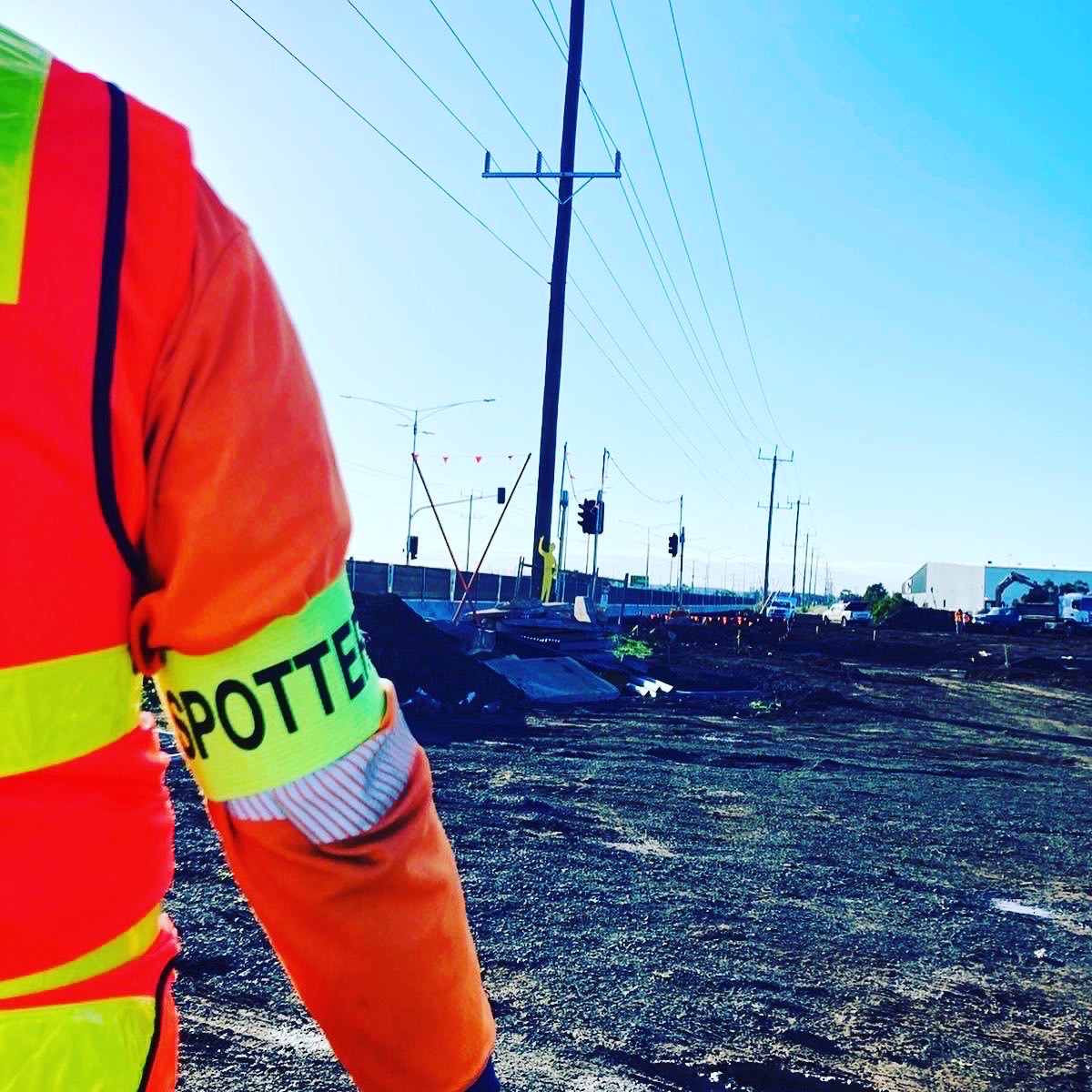
In the ever-evolving realm of construction and maintenance, safety is a non-negotiable priority. One critical role in maintaining this safety is that of an electrical spotter. These professionals are fundamental to ensuring that worksites remain hazard-free, especially in environments where heavy machinery and electrical infrastructures intersect. Understanding the role of electrical spotters, their responsibilities, and how they contribute to workplace safety is crucial for anyone involved in projects where electrical risks are present.
What is an Electrical Spotter?
An electrical spotter is a trained professional responsible for observing and communicating potential hazards to operators of heavy machinery near electrical installations. Their primary role is to prevent accidents involving machinery and live electrical components by acting as an extra set of eyes and ears on the ground.
Key Responsibilities of Electrical Spotters
Electrical spotters play an indispensable role in mitigating risks on construction sites. Their responsibilities encompass a variety of tasks, such as:
- Monitoring the proximity of machinery to electrical hazards and providing real-time feedback to machine operators.
- Ensuring compliance with safety regulations and industry standards.
- Coordinating with site supervisors to implement safety protocols effectively.
- Documenting and reporting any incidents or near-misses to improve future safety practices.
- Attending regular training sessions to stay updated on the latest safety procedures and technologies.
Why Are Electrical Spotters Essential?
On worksites where heavy machinery operates close to electrical installations, the risk of accidents is significantly heightened. Electrical spotters are essential because they:
- Provide a critical safety buffer by maintaining constant vigilance over potential hazards.
- Help prevent costly delays and damages that can arise from electrical accidents.
- Contribute to a culture of safety that protects workers and the public.
- Facilitate compliance with legal and safety obligations, minimizing the risk of penalties.
- Enhance communication and coordination among team members, ensuring a cohesive approach to safety.
When to Hire an Electrical Spotter
The need for an electrical spotter arises in various scenarios, particularly when:
- Conducting work near overhead power lines or underground cables.
- Operating cranes or other equipment with long reach capabilities.
- Performing excavation or groundwork in areas with complex electrical networks.
- Engaging in activities that could inadvertently impact electrical installations.
For those in Melbourne or surrounding areas, considering the expertise of electrical spotters can significantly enhance site safety and project efficacy.
Training and Qualifications
Becoming an electrical spotter requires rigorous training and certification to ensure adherence to safety standards. Essential qualifications include:
- Completion of a recognized training course for electrical spotters.
- Certification in first aid and CPR to handle emergency situations.
- Understanding of electrical safety regulations and risk management strategies.
- Strong communication skills to effectively convey safety information.
Continuous Professional Development
To maintain high safety standards, electrical spotters must engage in ongoing professional development. This includes:
- Regularly updating skills through workshops and refresher courses.
- Staying informed about advancements in safety technology and best practices.
- Participating in safety audits and drills to ensure preparedness for emergencies.
Conclusion
The significance of electrical spotters in safeguarding construction and industrial sites cannot be overstated. Their expertise not only enhances safety but also contributes to the seamless execution of projects. By understanding their role and the value they bring, stakeholders can ensure they employ the right professionals to protect both personnel and infrastructure. Whether for short-term projects or long-term engagements, the presence of skilled electrical spotters is a wise investment in any safety-conscious operation.